 Loading ...

Friday, January 09, 2026
Trading Exotic Currencies: A Complete Guide for Forex Traders
تم إعداد هذا المنشور من قبل سنشري للاستشارات
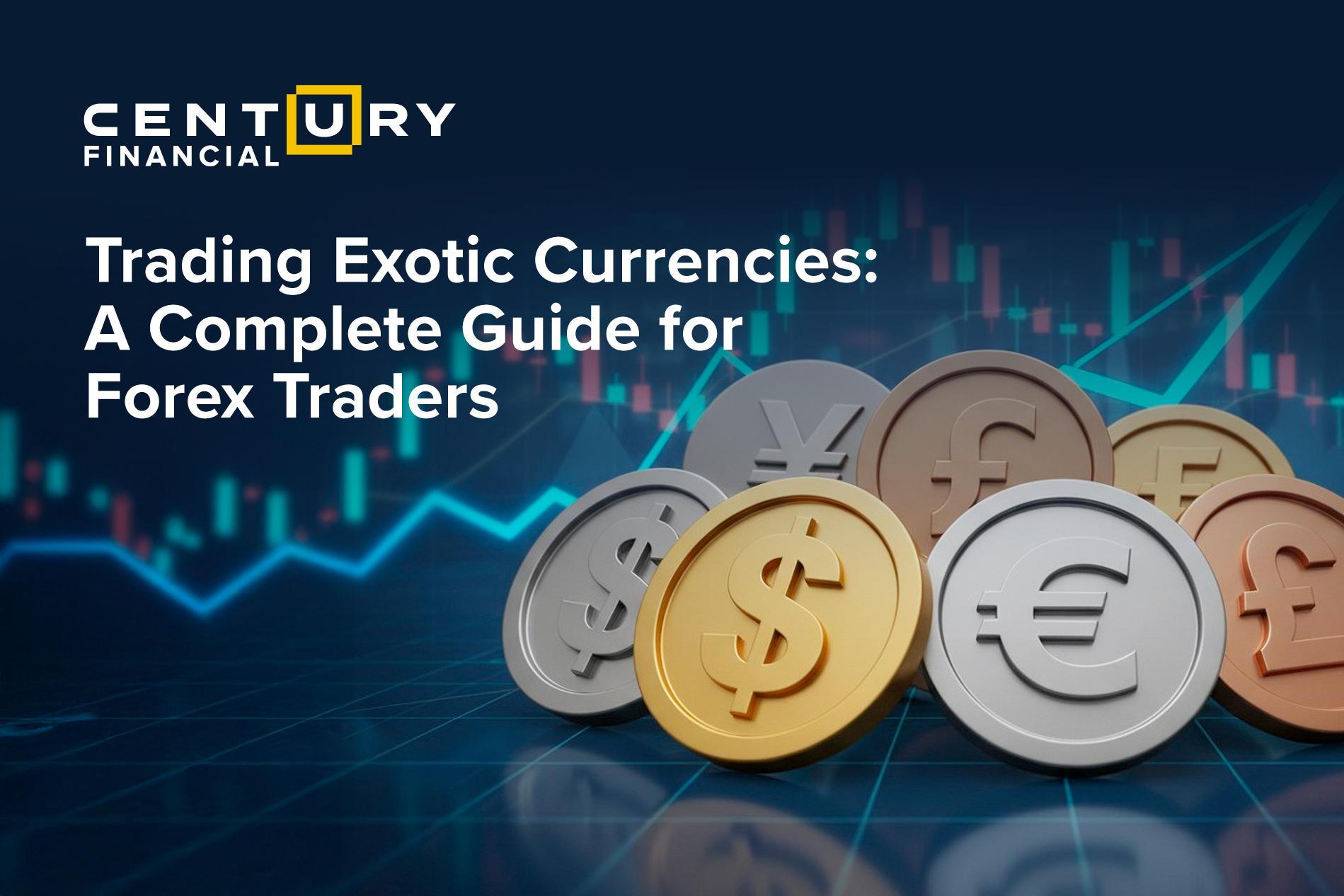

In the world of forex trading, not all currency pairs are created equal. While major currency pairs like EUR/USD and GBP/USD dominate trading volume, exotic currencies offer unique opportunities for traders looking to diversify their portfolios. Exotic currency pairs typically consist of a prominent currency paired with the currency of a smaller or emerging economy, such as the Turkish Lira (TRY) or the South African Rand (ZAR).
These pairs often exhibit wider spreads, lower liquidity, and greater volatility than major pairs, which can result in larger profits and increased risk. Understanding the characteristics, advantages, and pitfalls of exotic currencies is essential for any forex trader aiming to trade them successfully.
What Are Exotic Currencies?
Exotic currencies are the currencies of emerging or smaller economies. These currencies often reflect the economic and political conditions of their respective countries, making them highly sensitive to local events, central bank decisions, and global market sentiment. Traders interested in exotic currencies frequently diversify their strategies by also exploring other financial instruments, such as shares, commodities, indices, and CFDs, to balance risk and capitalize on opportunities across different markets.
Understanding Exotic Pairs in Forex
An exotic currency pair combines a major currency with a currency from an emerging or smaller economy. Examples include USD/TRY (US Dollar/Turkish Lira), EUR/SEK (Euro/Swedish Krona), and USD/SGD (US Dollar/Singapore Dollar).
Key characteristics of Forex Exotic Pairs:
Lower liquidity:
Trading volumes are smaller compared to major pairs, leading to less price stability.
Wider spreads:
Transaction costs are usually higher due to limited market participation.
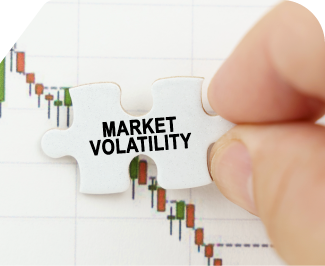
Higher volatility:
Prices can move sharply, creating opportunities for quick profits or losses.
Influenced by local and geopolitical factors:
Local political events, inflation, or interest rate changes can significantly impact their value.
Greater trading risk:
Requires strong technical analysis and sound risk management strategies.
By combining technical, fundamental, and sentiment analysis, you can develop a reliable daily forex bias. Well-equipped with market insights and a sensible bias, you can reduce overtrading and execute strategies with greater confidence.
Bias Meaning in Forex for Professional Traders
For professional traders and prop firms, bias forex is not about rigid assumptions but structured outlooks. It helps define strategies for the day. For instance, if their bias suggests strength in USD, they prioritize USD pairs while carefully monitoring market reversals. The act of keeping their eyes open for indicators or trends that oppose their views helps them have a balanced bias and a sound strategy
Understanding bias meaning in forex ensures you remain adaptable, combining strategy with discipline rather than trading emotionally.
How to Overcome Trading Biases
Completely eliminating trading biases is nearly impossible, but successful traders learn how to recognize different bias meanings in Forex and manage them effectively. With the following tips, you can navigate the market like a professional trader:
Develop a Trading Plan:
Clearly outline your entry, exit, and risk management rules before placing a trade to avoid impulsive actions.

Maintain a Trading Journal:
Track every trade along with your thought process to spot recurring emotional or psychological patterns.

Stay Data-Driven:
Base decisions on technical indicators and fundamental research instead of relying on intuition or short-term noise.

Diversify Your Risk:
Distribute your investments across multiple asset classes such as currencies, stocks, indices, and commodities.
Confirmation Bias
We accept what we understand, creating an echo chamber of ideas and opinions. Sometimes, even seeking out information that supports an existing belief. For example, you are bullish on EUR/USD. Confirmation bias will lead you to ignore bearish technical signals or negative economic data. Such selective perception then leads to poor entry and exit decisions.

Anchoring Bias
Anchoring happens when you rely too heavily on the first piece of information encountered. The initial price level or a forecast can create lasting impressions. In forex, this might cause you to stick to outdated price expectations, even when the market has shifted.

Recency Bias
Recent events can also cloud your judgment, distracting you from long-term trends. For instance, assume the U.S. dollar rallied strongly last week, but larger economic fundamentals signal a reversal. Recency bias leads you to assume the trend will continue despite these important historical indicators, resulting in a loss.

Overconfidence Bias
Overconfidence inflates the legitimacy of your bias, causing you to place too much trust in misguided analysis and strategies. This can result in taking oversized positions or ignoring risk management, increasing the chances of significant losses in volatile forex markets.
Loss Aversion Bias
This bias occurs when you hold on to losing positions longer than you should, simply to avoid acknowledging a loss. Instead of cutting losses early, waiting for the market to “turn around,” often leads to deeper drawdowns.
How to Identify Your Daily Bias in Forex
Flawed trading biases come with great costs. Recognizing your daily bias in forex trading is essential for discipline, consistency, and informed decision-making. A clear bias can help you avoid random entries and stick to a structured trading plan. Here are some effective methods to establish your daily bias:
.png)
Technical Analysis:
Examine chart patterns, trendlines, and key support and resistance zones. Indicators like moving averages, RSI, and MACD can provide additional confirmation of market direction.

Fundamental Analysis:
Stay updated with the economic calendar, central bank policies, and major geopolitical events. News such as interest rate decisions, inflation reports, or employment data can shift daily market sentiment.
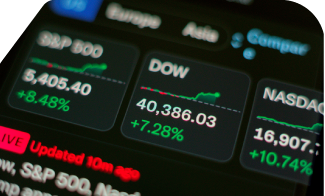
Market Sentiment:
Monitor investor positioning data and forex market news to gauge overall sentiment. Tools like the Commitment of Traders (COT) report or sentiment indices can provide useful insights.
Multi-Timeframe Analysis:
Compare short-term setups with higher-timeframe trends. For example, align your intraday trades with the overall daily or weekly trend to improve accuracy.
.png)
Risk Management Alignment:
Set stop-loss and take-profit levels based on your bias. Proper risk management ensures that you stay disciplined even if the market moves against your expectations.
By combining technical, fundamental, and sentiment analysis, you can develop a reliable daily forex bias. Well-equipped with market insights and a sensible bias, you can reduce overtrading and execute strategies with greater confidence.
Bias Meaning in Forex for Professional Traders
For professional traders and prop firms, bias forex is not about rigid assumptions but structured outlooks. It helps define strategies for the day. For instance, if their bias suggests strength in USD, they prioritize USD pairs while carefully monitoring market reversals. The act of keeping their eyes open for indicators or trends that oppose their views helps them have a balanced bias and a sound strategy
Understanding bias meaning in forex ensures you remain adaptable, combining strategy with discipline rather than trading emotionally.
How to Overcome Trading Biases
Completely eliminating trading biases is nearly impossible, but successful traders learn how to recognize different bias meanings in Forex and manage them effectively. With the following tips, you can navigate the market like a professional trader:
Develop a Trading Plan:
Clearly outline your entry, exit, and risk management rules before placing a trade to avoid impulsive actions.
Maintain a Trading Journal:
Track every trade along with your thought process to spot recurring emotional or psychological patterns.
Stay Data-Driven:
Base decisions on technical indicators and fundamental research instead of relying on intuition or short-term noise.
Diversify Your Risk:
Distribute your investments across multiple asset classes such as currencies, stocks, indices, and commodities.
Trade Smarter with Century Trader
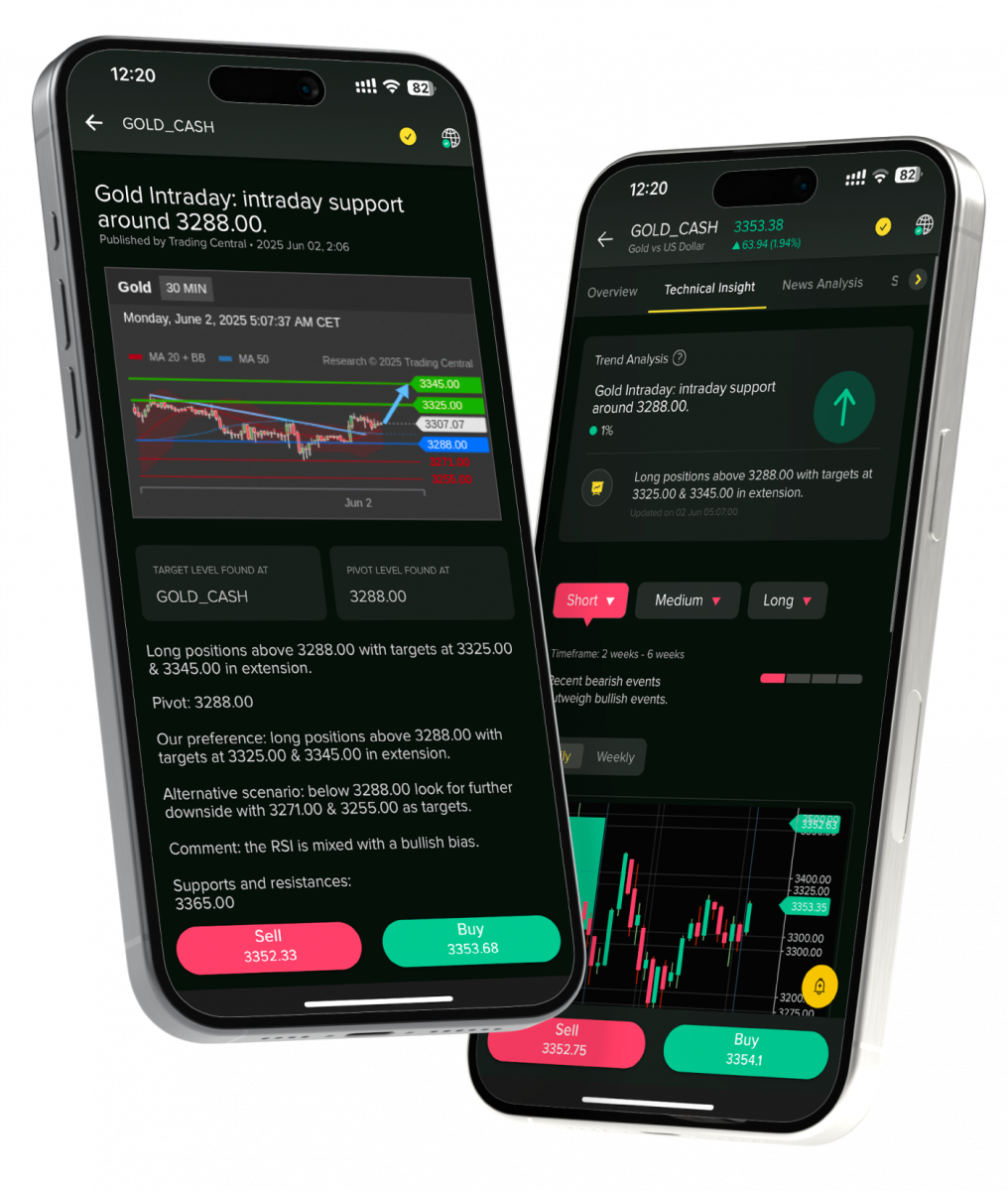
At Century Financial, we understand the impact of trading biases on performance. That’s why we provide advanced tools on our platform/app to help you make data-driven decisions.
.png)
Century Trader App for on-the-go trading.
FAQs on Bias Forex
Q1. What does bias mean in forex trading?
A: Bias in forex refers to a trader’s directional outlook bullish or bearish that guides decisions.
Q2. How can I identify my daily bias forex?
A: Use technical and fundamental analysis, market sentiment, and multi-timeframe charts to determine your daily market direction.
Q3. Are trading biases always negative?
A: Not necessarily. A well defined bias provides structure, but unmanaged biases can cause emotional trading.
Q4. How can I avoid trading biases?
A: Maintain a trading plan, use data-driven analysis, and leverage advanced trading platforms like the Century Trader App.
Q5. Can professional traders completely eliminate bias forex?
A: No, but they manage it effectively through discipline, risk management, and objective analysis.
Conclusion
Trading bias in forex plays a crucial role in influencing decisions and shaping market perspectives. Left unmanaged, these biases can distort judgment and negatively affect performance. But a well-informed perspective helps you have a balanced and realistic bias. By understanding the meaning of bias in forex, identifying your daily trading bias, and applying structured analysis, you can make more objective decisions. With a disciplined approach, continuous learning, and reliance on data-driven insights, you can minimize emotional influence and build a stronger foundation for long-term trading success!
لا تقدم شركة سنشري للإستشارات والتحليل المالي ش.ذ.م.م (الشركة) محتوى هذه المدونة، بما في ذلك أي أبحاث أو تحليلات أو آراء أو توقعات أو أي معلومات أخرى (يُشار إليها مجتمعةً باسم "المعلومات")، إلا لأغراض التسويق والتثقيف وإتاحة المعلومات العامة. ولا يُفسَّر ذلك على أنه نصيحة استثمارية أو توصية أو دعوة لشراء أو بيع أي أدوات مالية.
كما يجوز نشر هذه المعلومات عبر قنوات مختلفة، بما في ذلك موقع الشركة الإلكتروني، ومنصات الغير، والنشرات الإخبارية، والمواد التسويقية، ورسائل البريد الإلكتروني، ووسائل التواصل الاجتماعي، وتطبيقات المراسلة، والندوات الإلكترونية، وغيرها من وسائل التواصل. وبينما تسعى الشركة لضمان دقة المحتوى، فإنها لا تضمن اكتماله أو موثوقيته أو تحديثه في الوقت المناسب. وعليه، فأي قرارات تُتخذ بناءً على هذه المعلومات تكون على مسؤوليتك الشخصية. ولا تتحمل الشركة أي مسؤولية عن أي خسارة أو ضرر ناتج عن استخدامها.
ينطوي تداول المنتجات المالية على مخاطر كبيرة، بما لا يتناسب مع جميع المستثمرين. فيُرجى التأكد من وعيك التام بالمخاطر، وطلب الاستشارة المهنية المتخصصة إذا لزم الأمر.
يُرجى الاطلاع على بيان كشف المخاطر الشامل المتوفر على موقعنا الإلكتروني.

تنظمها هيئة الأوراق المالية والسلع
سنشري للاستشارات المالي ش.ذ.م.م


تصل إلينا:
-
دبي
الطابق رقم 6, مبنى رقم 4, ساحة إعمار دبي
وسط مدينة دبي، ص.ب: 65777،
دبي، الإمارات العربية المتحدة -
Abu Dhabi
27th Floor, Office 2701,
Shining Towers, Abu Dhabi, UAE -
Sharjah
29th Floor, Office 2905,
The Business Tower, Sharjah, UAE - +971 (4) 356 2800
- info@century.ae

Century Financial is the presenting sponsor of

ينطوي التداول في المنتجات المالية على مخاطر كبيرة. فالاعتماد على المشتقات المالية المتاحة للتداول خارح البورصة، مثل عقود الفروقات وتداول العملات الأجنبية (الفوركس) الفوري، قد يتسبب في خسائر تتجاوز قيمة الإيداعات الأولية، مما يجعلها غير ملائمة لجميع المستثمرين. فهذه الأدوات المالية المعقدة لا تمنح ملكية مباشرة للأصول الأساسية. لذا، ينبغي للمستثمرين الاحتراز عند تحديد أهدافهم الاستثمارية ومراعاة مستوى المخاطرة المتوقَع، واللجوء إلى الاستشارة المهنية المتخصصة عند الضرورة.
سنشري للإستشارات والتحليل المالي ش.ذ.م.م (الشركة)، شركة مرخّصة ومنظمة من هيئة الأوراق المالية والسلع في دولة الإمارات العربية المتحدة، بموجب الترخيص رقم (20200000028) و(301044) لتولي أعمال الوساطة في الأسواق الدولية، وتداول المشتقات المالية والعملات المتاحة للتداول خارج البورصة في سوق التداول الفوري، بالإضافة إلى تقديم الخدمات الاستشارية والترويجية. تأسست الشركة بموجب قوانين دولة الإمارات العربية المتحدة، وهي مسجلة لدى دائرة التنمية الاقتصادية بدبي (رقم: 768189)، حيث يقع مكتبها المسجّل في 601، الطابق السادس، المبنى رقم 4، ميدان إعمار، وسط مدينة دبي، دولة الإمارات العربية المتحدة، ص.ب. 65777.
لا يُعرَض محتوى هذا الموقع الإلكتروني إلا لأغراض تعريفية تثقيفية بحتة، فلا يمثل عرضًا ولا توصيةً ولا دعوةً لشراء أو بيع أي أوراق مالية أو منتجات مالية.
لا تنوي الشركة استخدام أو توزيع منتجاتها وخدماتها في أي ولاية قضائية حيث يُشكِّل هذا الاستخدام أو التوزيع انتهاكًا للقوانين المحلية أو اللوائح التنظيمية.
