 Loading ...

Tuesday, December 02, 2025
Understanding Corporate Bonds: A Complete Investor’s Guide
By Century Financial in 'Blog'
.jpg)
The markets are not just about volatility, risks, and profits. In the financial markets, you can find assets that sway and those that stay stable. One such security is corporate bonds.
Corporate bonds are a vital part of the fixed-income market, offering investors steady returns and a relatively safer alternative to equities. Apart from shares, a company can raise money through debt. When companies raise capital by selling equity, the investors become shareholders (and owners) and get shares in return. In the case of corporate bonds, the investors become debtors and receive the company bonds in return.
By understanding bond types, maturity periods, credit ratings, and interest rate impacts, investors can make informed decisions that balance risk and reward. Let’s explore how corporate bonds work, their advantages, and key strategies for successful investment in the bond market.
Introduction to Corporate Bonds
When businesses need funds for expansion, acquisitions, or new projects, they often turn to the bond market instead of relying solely on bank loans or equity financing. By buying corporate bonds, you are essentially lending money to the issuing company in exchange for regular interest payments and the repayment of the principal at maturity.
Corporate bonds are a crucial part of the fixed income securities market. Issued by companies to raise capital, they allow investors to earn steady interest while diversifying portfolios beyond stocks and commodities. Unlike government bonds or treasury securities, corporate bonds generally offer higher returns, though with slightly more risk.
Another perk of investing in corporate bonds is that, in the event of a company's liquidation, debtors are given the first preference. Even interest payments are prioritized over dividends. This makes corporate bonds an attractive investment option for those seeking predictable income streams and portfolio stability. Moreover, since bond interest rates are typically fixed, they help shield investors from short-term market volatility while ensuring consistent cash flow.
What Are Corporate Bonds?
A corporate bond is a type of fixed income debt security issued by a corporation. Companies issue these bonds to finance operations, expand business, or refinance debt. In exchange, investors receive periodic interest payments until maturity.
Unlike government bonds, which are backed by a nation’s treasury, corporate bonds carry the credit risk of the issuing company. However, they usually offer higher bond interest rates, making them appealing to investors seeking better returns in the bond market.
Definition and Purpose
Corporate bonds play a vital role in both corporate financing and investor portfolios. For businesses, they provide an efficient way to raise large amounts of capital without diluting ownership. For investors, they serve as a relatively stable investment option that balances risk and reward while contributing to portfolio diversification. In addition, corporate bonds come in various maturities—short-term, medium-term, and long-term—allowing investors to align their investments with financial goals and liquidity needs.
By investing in corporate bonds, individuals and institutions participate directly in the corporate growth cycle while benefiting from steady income and potential capital preservation.
Key Features of Corporate Bonds
Coupon/Interest Rate
Corporate bonds typically provide fixed interest payments (coupons) at regular intervals, quarterly, semi-annually, or annually. Some companies may also offer floating interest rates tied to market benchmarks, giving investors potential upside if interest rates rise.
Maturity Period
Corporate bonds can have different tenures:
Short-Term Bonds: Their tenure is less than 3 years, and they provide quick returns
Medium-Term Bonds: The tenure range is 3–10 years, and they provide balance, stability, and income.
Long-Term Bonds: These are bonds with a maturity of 10+ years. They are ideal for investors seeking consistent income over a longer horizon.
Risk Level:
Compared to government bonds, corporate bonds carry higher credit risk since repayment depends on the company’s financial performance. However, this higher risk is compensated with attractive interest rates, making them a popular choice for investors who want better returns in the bond market.

.png)
Liquidity:
Many corporate bonds can be traded in the secondary bond market, giving investors the flexibility to sell before maturity if needed.
Credit Ratings:
Bonds are rated by agencies like S&P, Moody’s, or Fitch. Investment-grade bonds are considered safer, while high-yield (or “junk”) bonds carry greater risk but offer significantly higher interest rates.
Together, these features make corporate bonds a versatile fixed income security, suitable for both conservative investors seeking steady income and aggressive investors looking for higher returns compared to traditional government securities.

Difference Between Corporate Bonds and Government Bonds
Corporate bonds and government bonds are both popular fixed income securities, but they differ significantly in terms of risk, return, and purpose. Understanding these differences helps investors decide how to balance safety and yield in their bond investments.
Corporate Bonds
Corporate bonds are issued by private or public companies to raise capital for expansion, acquisitions, or refinancing debt..
Issuer: Corporations (private or public companies)
Default Risk: Higher, depends on company performance and credit rating
Interest Rates: Higher interest rate than government bonds
Liquidity: Tradable in secondary markets, but liquidity varies
Investor Appeal: Suitable for investors seeking higher returns but willing to accept moderate to high risk.
Government Bonds
Issued by sovereign governments, government bonds are used to fund public expenditures, infrastructure projects, or fiscal deficits. They are generally regarded as the safest type of bond investment because repayment is backed by the government’s taxing authority and monetary control.
Issuer: National or state governments
Default Risk: Very low (often considered risk-free in developed economies)
Interest Rates: Lower rates compared to corporate bonds
Liquidity: Highly liquid, actively traded in the bond market
Investor Appeal: Ideal for conservative investors seeking capital preservation and stable income
| Feature | Corporate Bonds | Government Bonds |
|---|---|---|
| Issuer | Corporations (private/public companies) | Sovereign governments |
| Risk | Higher (depends on company creditworthiness) | Very low, considered safer |
| Interest Rates | Higher coupon/returns | Lower coupon/returns |
| Purpose | Business expansion, debt refinancing | Public spending, infrastructure, and deficits |
| Liquidity | Moderate to high, varies by issuer | Very high, actively traded |
| Investor Profile | Return-seeking investors with moderate risk | Risk-averse investors prioritizing safety |
Types of Corporate Bonds
Corporate bonds may seem straightforward at first, but there are many factors to take into consideration before choosing a bond to invest in. They are categorized by issuer creditworthiness, risk level, and additional features that appeal to different investor preferences. Below are the main types of corporate bonds:
Investment-Grade Bonds
Investment-grade bonds are issued by well-established companies with strong financial performance and high credit ratings (usually rated BBB-/Baa3 or higher by agencies like S&P, Moody’s, or Fitch).
These bonds are considered safer because the likelihood of default is low.
Risk Level: Low to moderate.
Returns: Moderate yields, lower than high-yield bonds but more stable.
Investor Appeal: Favored by conservative investors, institutions, and pension funds looking for steady income and capital preservation.
Example: Bonds issued by multinational corporations or blue-chip companies.
High-Yield (Junk) Bonds
High-yield bonds or “junk bonds,” are issued by companies with lower credit ratings (below BBB-/Baa3). Because the risk of default is higher, issuers offer attractive coupon rates to entice investors.
Risk Level: High, tied to the issuer’s financial stability.
Returns: Higher bond interest rates, offering strong income potential
Investor Appeal: Suitable for aggressive investors seeking higher returns and willing to tolerate volatility.
Example: Bonds issued by startups or companies in restructuring phases.

Convertible Bonds
Convertible bonds are unique. They allow bondholders to convert their bonds into a predetermined number of the company’s equity shares. This feature blends income stability with the growth potential of stocks.
Risk Level: Moderate, as it depends on both bond performance and company stock performance.
Returns: Fixed coupon payments, plus potential upside if stock prices rise.
Investor Appeal: Attractive for investors who want steady income but also want exposure to equity market gains.
Example: Bonds issued by growth-oriented companies offering investors long-term equity participation.

Callable Bonds
Callable bonds give the issuing company the right (but not the obligation) to redeem the bond before its maturity date. This usually happens when interest rates decline, allowing the issuer to refinance debt at a lower cost.
Risk Level: Moderate, with reinvestment risk for investors if the bond is called early.
Returns: Typically higher coupon rates compared to non-callable bonds, compensating for early redemption risk.
Investor Appeal: Suitable for investors seeking higher initial yields but who are comfortable with the possibility of bonds being redeemed early.
Example: Frequently issued by companies during periods of fluctuating interest rates.
Benefits of Corporate Bonds Investment
Beyond the basic features, corporate bonds offer several advantages, like providing strategic benefits for both conservative and growth-oriented investors. Some more advantages are:
Steady Income
Unlike dividends that are contingent on profits, corporate bonds provide predictable coupon payments, allowing investors to plan their cash flows effectively. This is particularly valuable for retirees, fixed-income investors, and those seeking financial stability in volatile markets.
Portfolio Diversification
Diversification is a non-negotiable when it comes to building a portfolio. Adding corporate bonds to an investment portfolio helps spread risk across different asset classes. Since bond prices often move independently of equities and commodities, they act as a hedge against market fluctuations.
Higher Yields than Government Bonds
While government bonds are safer, corporate bonds generally offer better returns due to the higher risk associated with private issuers. Investors can earn competitive interest rates, especially through high-yield bonds or bonds from rapidly growing companies.
Flexible Options
Corporate bonds come with a variety of maturities, coupon structures, and special features such as convertibility or callability. This allows investors to match bonds to their investment horizon, liquidity needs, and risk tolerance.
Additional Advantages
From safeguarding against inflation to enjoying tax benefits, here are some more reasons you should consider investing in bonds beyond just portfolio diversification:
Inflation Protection:
Certain corporate bonds are linked to inflation or offer higher yields than fixed deposits, helping preserve purchasing power over time.
Credit Rating Insight:
Bonds carry ratings that indicate the financial health of the issuer, helping investors make informed decisions
Market Liquidity:
Many corporate bonds can be traded in secondary markets, giving investors the option to exit their position before maturity if needed.
Tax Benefits:
In some jurisdictions, interest income from certain corporate bonds may enjoy favorable tax treatment compared to other investment forms.
The Global Bond Market & Opportunities
The global bond market is one of the largest financial markets in the world, valued in trillions of dollars, with corporate bonds forming a substantial and growing segment.
Through global bond markets, corporate bonds offer opportunities across geographies, enabling investors to participate in markets beyond their home country. With modern trading platforms like Century Trader App and MT5, UAE investors can easily access a wide range of bonds, including:



Why Global Corporate Bonds Are Attractive
Global corporate bonds open the door to wider investment opportunities, enabling investors to tap into international markets and diversify beyond domestic securities. They provide exposure to different economic cycles, currencies, and corporate giants, helping investors strengthen portfolio resilience. With potential for higher returns and reduced risks, global bonds have become an essential component for those aiming to build a well-balanced, future-ready investment portfolio. Global corporate bonds allow for:
Diversification across economies
Currency and interest rate benefits
Access to top global corporations
Portfolio optimization
Why Choose Century Financial for Bond Investment?
Century Financial provides a robust and reliable ecosystem for investors seeking exposure to the bond market and other asset classes. With decades of experience and a strong global presence, Century Financial offers tools, insights, and services tailored to meet the needs of both beginner and experienced investors.
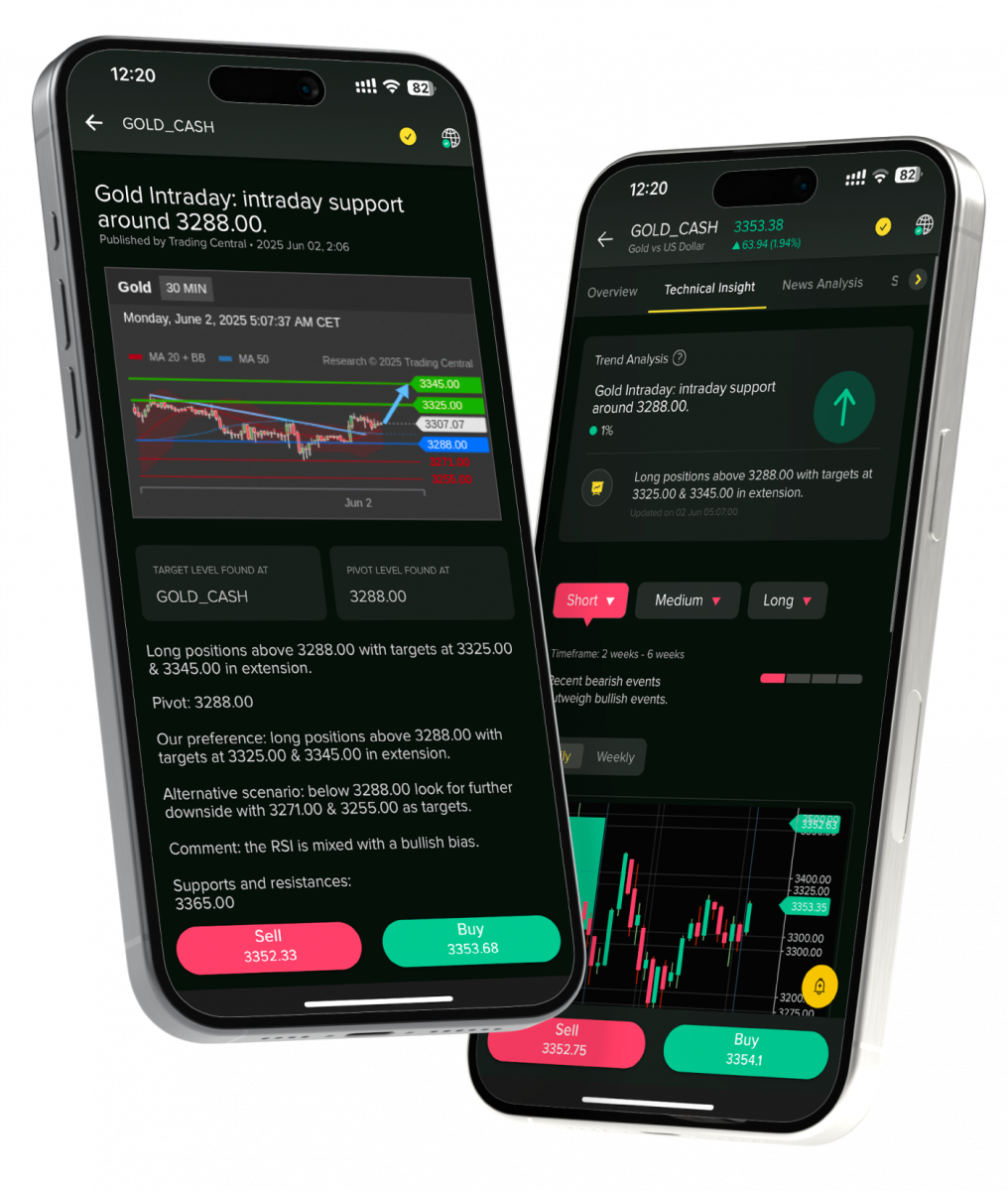
Key Advantages of Investing with Century Financial
Investing through Century Financial offers more than just access to corporate bonds—it provides a comprehensive platform designed for informed, secure, and convenient investing. With advanced trading platforms, expert research, and a wide range of bond options, investors can strategically build portfolios that align with their financial goals. Century Financial combines global market access with personalized solutions, giving investors the confidence and tools needed to optimize returns while managing risk effectively.
Access to Global Markets:
Investors can trade US corporate bonds, European and Asian corporate securities, and emerging-market debt through advanced platforms like the Century Trader App and MT5.
Expert Research & Insights:
Century Financial offers market research, bond analysis, and advisory services to help investors make informed decisions.
User-Friendly Trading Platforms:
Platforms are designed for both mobile and desktop, allowing seamless bond purchases, monitoring, and portfolio management anytime, anywhere.
Diverse Investment Options:
From investment-grade and high-yield bonds to convertible and callable bonds, Century Financial provides a wide array of corporate bond instruments to suit various risk profiles.
Regulated & Secure:
As a trusted financial services provider, Century Financial operates under strict regulatory standards, ensuring investor protection and transparency.
Tailored Portfolio Solutions:
Century Financial helps investors structure bond portfolios based on income requirements, risk appetite, and investment horizon.
Conclusion
Corporate bonds are an essential component of the fixed income securities market, offering investors the potential for steady income, portfolio diversification, and higher yields compared to government and treasury bonds. Understanding the different types of corporate bonds, interest rate dynamics, and associated risks allows investors to make informed decisions that balance returns with financial safety.
By carefully analyzing credit ratings, maturities, and market conditions, you can strategically include corporate bonds in your portfolio, achieving both income stability and long-term growth. Overall, corporate bonds can be a valuable tool if you are planning to diversify and stabilize your portfolio without sacrificing too much on returns.
FAQs
Q1. What are corporate bonds and how do they work?
A: Corporate bonds are debt securities issued by companies. Investors lend money to the company in exchange for periodic interest payments and repayment of principal at maturity.
Q2: Are corporate bonds riskier than government bonds?
A: Yes. While government bonds carry minimal default risk, corporate bonds depend on the financial health of the issuing company. However, they usually offer higher returns.
Q3: How are corporate bonds’ interest rates determined?
A: Rates depend on the issuer’s credit rating, prevailing bond market conditions, and maturity period.
Q4. Can I buy corporate bonds through Century Financial?
A: Yes. Century offers access to corporate bond investments and other fixed income securities via multiple trading platforms.
Q5. What is the minimum investment for corporate bonds?
A: It varies by issuer and market, but investors can start with small amounts through bond ETFs or ETPs available on Century platforms.
Related Reads
This marketing and educational content has been created by Century Financial Consultancy LLC (“Century”) for general information only. It does not constitute investment, legal, tax, or other professional advice, nor does it constitute a recommendation, offer, or solicitation to buy or sell any financial instrument. The material does not take into account your investment objectives, financial situation, or particular needs.
The opinions expressed by the hosts, speakers, or guests are their own and may change without notice. Information is based on sources we consider to be reliable; however, Century does not guarantee its accuracy, completeness, or timeliness and accepts no liability for any loss arising from reliance on this content.
Trading and investing involve significant risk, and losses may exceed initial deposits. Past performance is not indicative of future results. CFDs and other leveraged products are complex instruments that may not be suitable for all investors. Please ensure you understand how these products work, the associated risks, and seek independent professional advice if necessary.
Century is licensed and regulated by the UAE Capital Market Authority (CMA) under License Nos. 20200000028 and 301044.
Please refer to the full risk disclosure mentioned on our website.





Regulated by CMA
Century Financial Consultancy LLC


.png)
.png)
.png)
.png)


Reach us:
-
Dubai
6th Floor, Emaar Square Building 4,
Downtown, Dubai, P.O. Box 65777,
Dubai, United Arab Emirates -
Abu Dhabi
27th Floor, Office 2701,
Shining Towers, Abu Dhabi, UAE -
Sharjah
29th Floor, Office 2905,
The Business Tower, Sharjah, UAE - +971 (4) 356 2800
- info@century.ae

Disclaimer: Trading in financial products carries substantial risk. Leveraged over-the-counter (OTC) derivatives, such as Contracts for Difference (CFDs) and spot forex, may result in losses exceeding initial deposits and may not be suitable for all investors. These complex instruments do not confer ownership of the underlying assets. Investors should carefully consider their investment objectives and risk appetite, and seek independent professional advice if necessary.
Century Financial Consultancy LLC (CFC) is licensed and regulated by the Capital Market Authority (CMA) of the UAE under license numbers 20200000028 and 301044 to carry out the activities of Financial Products dealer, Trading Broker in international markets, Trading Broker of OTC derivatives and currencies in the spot market, Introduction, Financial Consultations, and Promotion. CFC is incorporated under UAE law, registered with the Dubai Economic Department (No. 768189), with its office at 601, Level 6, Building No. 4, Emaar Square, Downtown Dubai, UAE, PO Box 65777.
The content on this website is provided solely for informational and educational purposes and does not constitute an offer, recommendation, or solicitation to buy or sell any securities or financial products.
Products and services offered by CFC are not intended for use in any jurisdiction where such use or distribution would breach local laws or regulatory requirements.
⚠️ Alert: Fraudulent Activity Notice
Century Financial Consultancy LLC (“Century”) has become aware of fraudulent individuals and entities impersonating our firm through unofficial websites, social media channels, and messaging applications such as Telegram, WhatsApp, and Discord.
Please be advised:
- Century does not manage investments on behalf of clients.
- Century does not solicit funds or guarantee investment returns.
- Century does not accept or make payments in cash, cryptocurrency, or digital assets.
- We do not conduct business via social media or messaging platforms.
Our only official website is www.century.ae, and all communication is conducted exclusively through verified channels.
We strongly urge the public to remain vigilant, verify the authenticity of any communication claiming to be from Century, and report any suspicious activity. Century disclaims any responsibility for losses arising from dealings with unauthorised or fraudulent parties.
