 Loading ...

Friday, December 26, 2025
Mastering Pairs Trading: Definition, Strategies and Examples
By Century Financial in 'Blog'


An intriguing investment strategy that enables traders to profit from price differences between two closely related assets is pairs trading. The concept is fairly simple: a trader will purchase the undervalued asset while short selling the overvalued one if one is undervalued in comparison to the other.
The goal is to make a profit when the prices of these assets move back to their typical relationship. It's a clever way to potentially earn returns without being overly exposed to market fluctuations.
This approach helps reduce exposure to overall market direction and focuses purely on the price differential between the paired securities. Pairs trading is a well-liked tactic in the stock, commodity, and foreign exchange markets that offers both institutional and individual traders dependable opportunities to generate steady returns with controlled risk.
Introduction to Pair Trading
Pair trading is a market-neutral trading strategy that entails holding long and short positions in two related assets at the same time. The focus is on relative price movements and on capitalizing on the price changes of the two assets rather than their absolute price changes.
Traders often use statistical analysis and historical correlation data to identify asset pairs that are likely to revert to their typical price relationship. Pair trading is an investment strategy that lets investors take advantage of temporary price discrepancies between two related assets while keeping their overall exposure balanced. This approach can be particularly effective and is popular among traders in various markets, including stocks, commodities, and cryptocurrencies. It’s a clever way to find opportunities while managing risk.
What is Pair Trading?
Pair trading, also known as statistical arbitrage, is a trading strategy that seeks to exploit the tendency of two assets to move in sync. When there’s a noticeable divergence in their prices, traders will buy one asset (the undervalued one) while shorting the other (the overvalued one).
The idea is that, over time, the prices will revert to their usual relationship, allowing traders to profit from this convergence. It's a smart strategy to balance risk and profit from market inefficiencies. Because pair trading takes advantage of price differences while keeping a neutral market position, it is especially beneficial in extremely volatile markets.
Advantages of Pair Trading

The market-neutral strategy reduces directional risk:
Because it focuses on relative price movements, it minimizes exposure to overall market trends.

Profit potential in volatile markets:
Divergences between correlated assets can create multiple trading opportunities even when markets are uncertain.

Step 1: Identify Correlated Assets
The first step in pair trading is selecting two assets that have historically shown a strong correlation, meaning their prices have moved in sync over time. Utilizing statistical tools like correlation coefficients and cointegration tests can help measure the strength of this relationship.
Common examples include stock pairs from the same industry, currency pairs in forex, or related commodities. The success of the strategy hinges on the probability that, after a divergence, these prices will revert to their normal relationship, making it essential to choose the right pair.
Step 2: Monitor Price Spread
Once you’ve identified correlated assets, the next step is analyzing the historical price spread between them, which refers to the difference in price or ratio of the two assets. Monitoring this spread will help you spot deviations from their typical relationship.
Statistical measures such as standard deviation or moving averages are valuable tools here, indicating fluctuations and potential trading opportunities.
Step 3: Detect Divergence
The next step is to identify points at which one asset is temporarily over- or undervalued relative to the other. Divergence occurs when the spread widens beyond its typical range, signaling a potential chance to profit when the prices revert to their historical correlation.
Step 4: Execute Positions
After detecting divergence, traders take positions by going long (buying) the undervalued asset and short (selling) the overvalued asset. This simultaneous positioning allows traders to profit from relative movements while minimizing exposure to overall market direction.
Step 5: Close Trade
Finally, the trade is closed when the price spread returns to its historical mean or when the trader reaches their target profit. In the event that the spread does not close, minimizing losses and maintaining the desired market-neutral strategy are ensured by closing both positions at the appropriate time.
Best Forex Pairs to Trade
Choosing the right forex pairs is crucial for successful pair trading. Here are some pairs you can consider:
Major and Minor Forex Pairs
Pair trading in forex works best when you select currency pairs that exhibit strong historical correlation or share similar economic influences. Some of the most popular forex pairs for pair trading include:
EUR/USD & GBP/USD
Both are highly liquid and widely traded, making them ideal for detecting relative price movements.
USD/JPY & EUR/JPY
These pairs often exhibit strong correlations and predictable trends.
AUD/USD & NZD/USD
Commodity-linked currencies that tend to move together due to economic similarities.
USD/CAD & AUD/USD
Pairs with consistent historical relationships suitable for statistical analysis.
Why These Pairs?
In pair trading, it’s essential to choose pairs that demonstrate strong correlations, high liquidity, and consistent trading behavior. This foundation not only guarantees reliability but also maximizes profitability over time.
High liquidity:
These are some of the most popular pairs, reducing the risk of slippage and allowing smoother trade execution. Even for exotic currencies, choosing pairs with sufficient market activity ensures your trades can be opened and closed without significant delays.
Tight spreads:
Narrow bid-ask spreads and lower transaction costs make pair trading more profitable. Spreads can sometimes be wider for exotic pairs, so selecting pairs with consistently tight spreads is key to minimizing costs and maximizing gains.
Predictable statistical relationships:
Consistent historical correlations increase the likelihood of price divergences reverting to the mean. These patterns are fundamental with exotic currencies. Relying on statistically linked pairs helps manage risk while capturing potential profits.
Pair Trading Strategy
As we’ve discussed, pair trading is a strategic approach that leverages the relative price movements of two correlated assets, positioning traders for success in a market-neutral environment. These strategies not only enhance the potential for profit but also allow traders to navigate a less conventional market landscape with confidence.
Formulate Selection Criteria
Choose assets with strong historical correlation and similar market behavior. For exotic currencies, consider looking for pairs that move together during market events, such as USD/TRY and EUR/TRY, or AUD/SGD and NZD/SGD. Focusing on currencies with consistent correlation increases the likelihood of a successful pair trade.
Determine Trading Candidates
Use statistical tools such as correlation coefficients, cointegration, or z-scores to shortlist assets. Exotic currency pairs often react differently to global economic news, so analyzing historical data helps identify patterns that can be leveraged for profitable trades.
Use Price Overlays
Overlay price charts and calculate the spread to detect divergence. For exotic currencies, even small divergences can present opportunities due to their higher volatility. Visualizing the spread makes it easier to spot when one currency is temporarily overvalued or undervalued relative to its pair.
Execute the Trade
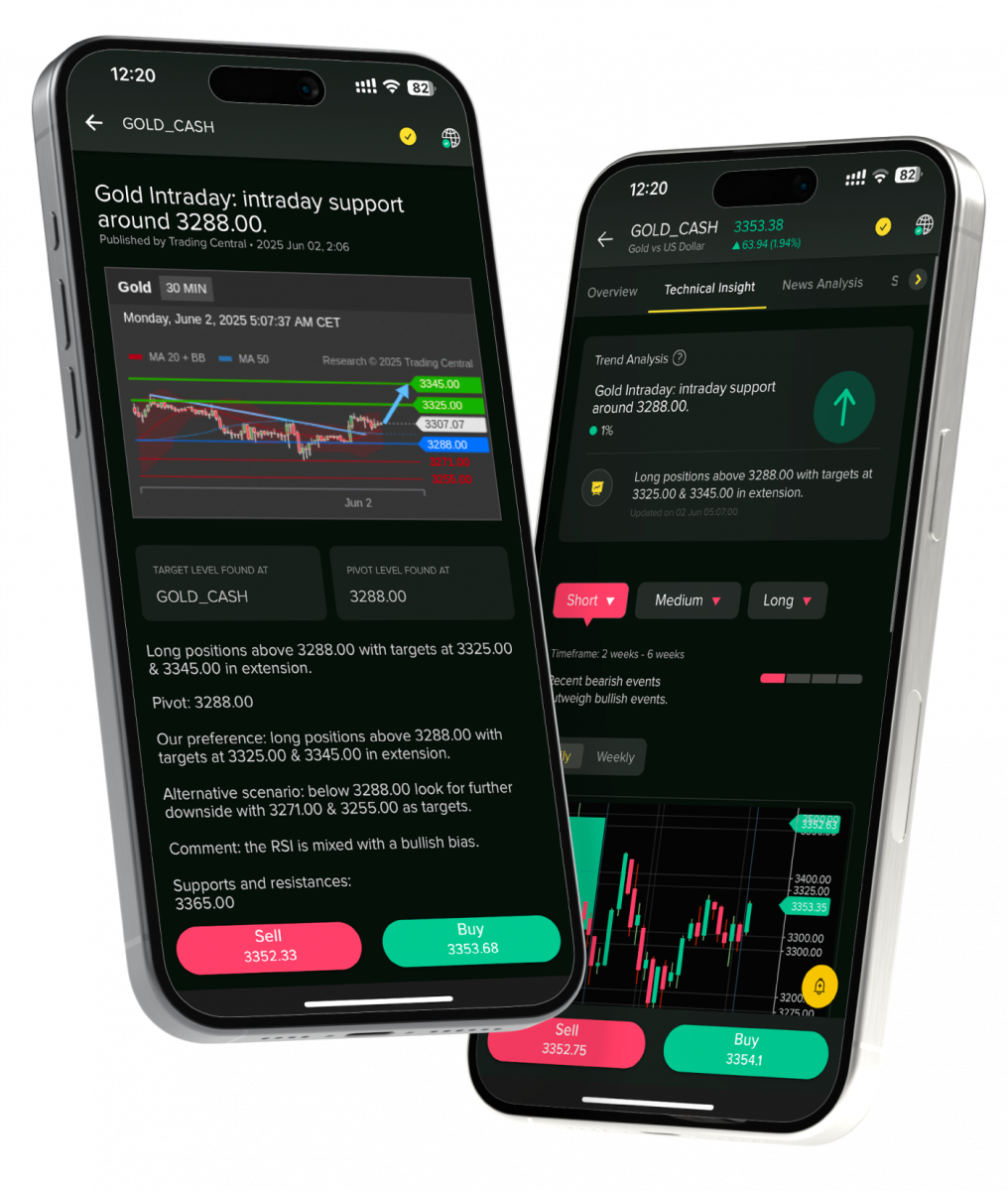
Overlay price charts and calculate the spread to detect divergence. For exotic currencies, even small divergences can present opportunities due to their higher volatility. Visualizing the spread makes it easier to spot when one currency is temporarily overvalued or undervalued relative to its pair. Open long and short positions using platforms like Century Trader and MT5. Also, ensure your broker provides sufficient liquidity and competitive spreads to execute trades efficiently.
Manage the Trade
Monitor positions actively, adjusting stop-loss and take-profit levels. Volatility in this market, especially in exotic currencies, can be sudden, so real-time tracking and flexibility in your strategy help protect profits and minimize losses.
Close the Trade
Close positions when the spread normalizes or reaches the profit target. Patience is key—exotic currency spreads may take longer to revert, but sticking to your exit plan ensures consistent risk management.
Pair Trading Stock List
Pair trading can also be applied effectively to stocks. By selecting two stocks that are historically correlated, traders can take advantage of relative price movements while reducing market risk.

Apple & Microsoft:
Both tech giants often move in tandem due to similar market influences.

Coca-Cola & Pepsi:
Classic consumer staples with stable correlation and predictable trends.

ExxonMobil & Chevron:
Energy sector leaders whose prices react similarly to oil market changes.

JP Morgan & Bank of America:
Large-cap banks with close historical performance patterns.
Tips for Stock Pair Selection
Focus on same-sector stocks: Companies in the same industry tend to react similarly to economic news.
Analyze historical correlation: Check past price movements to ensure consistent correlation before trading.
Use volume and liquidity filters: Stocks with higher trading volume reduce the risk of slippage and ensure smoother trade execution.
Indicators and Tools for Pair Trading
To succeed in pair trading, using the right technical indicators and platforms is essential. These tools help identify correlations, divergences, and entry/exit points for both stocks and currencies.
Technical Indicators
Moving Averages:
Helps identify trends and smooth out price fluctuations, making it easier to spot potential pair trading opportunities.
Bollinger Bands:
Shows volatility and helps detect when a currency or stock is overbought or oversold relative to its pair.
Relative Strength Index (RSI):
Measures momentum, helping traders identify potential reversals or divergences.
Z-Score Analysis:
Quantifies the deviation between paired assets to determine optimal entry and exit points.
Recommended Platforms
 Century Trader
Execute strategies efficiently across currencies, shares, and commodities. Its intuitive interface allows traders to monitor spreads and correlations in real time.
 CQG Platform
Professional-grade execution for CFDs, futures, and indices. CQG’s analytics help traders make precise decisions for pair trading strategies.
 MTS Platform
Advanced charting and statistical tools make MT5 ideal for correlation analysis and spotting trading opportunities in exotic currencies and stocks.
 TWS Platform
Ideal for complex pair trading across multiple instruments. TWS supports custom strategies, real-time monitoring, and automated trade execution for experienced traders.
Pros and Cons of Pair Trading
Pair trading offers a strategic way to profit from relative price movements while managing market risks. However, like any strategy, it comes with advantages and limitations.
Pros
Market-neutral with reduced risk exposure: Since you trade one long and one short position, overall market movements have less impact.
Effective in volatile markets: Pair trading can capitalize on temporary divergences even when markets swing unpredictably.
Works across forex, stocks, commodities, and indices: This flexibility allows traders to diversify and find opportunities in multiple markets.
Cons
Statistical analysis and monitoring: Traders must constantly analyze correlations, spreads, and trends to make informed decisions.
Not risk-free if correlations break down: Unexpected events can cause historically correlated assets to diverge, leading to losses.
Limited profit potential in low-volatility markets: Small price movements may not generate significant gains, making this strategy less effective when markets are stable.
Real-World Examples of Pair Trading
Pair trading works across different markets, from currencies to stocks and commodities. Real-world examples help illustrate how this strategy can be applied effectively.
Forex Example
EUR/USD can be bought while shorting GBP/USD during temporary divergence. This works because these currency pairs often move together, but short-term imbalances create profit opportunities. Traders can monitor spreads and correlations to time entries and exits accurately.
Stock Example
Going long on Apple and shorting Microsoft based on price divergence is another stock pair trading strategy. Similar market trends influence both tech giants, so temporary deviations in their prices can be exploited for gains while keeping market risk low.
Commodity Example
Buying Gold and selling Silver simultaneously when their spread widens is an application of pair trading to commodities. Commodities in the same sector often move together, and gains can result from relative movements rather than relying on absolute price changes.
Use Cases for Traders
Pair trading is a versatile strategy that can be applied in multiple ways depending on a trader’s objectives. Here’s how traders can leverage it effectively:
Risk Hedging
By taking simultaneous long and short positions in correlated assets, traders can protect their portfolio from broad market swings while still capturing relative price movements.
Exploit Inefficiencies
Temporary mispricings or divergences create opportunities to buy undervalued assets and sell overvalued ones, maximizing returns with controlled risk.
Diversify Portfolio
Pair trading allows exposure to forex, stocks, commodities, or indices without relying solely on market trends, providing a balanced and more resilient trading approach.
Conclusion
Pair trading gives traders a simple way to use the relationship between two correlated assets without taking on full market risk. By tracking how closely two instruments usually move together and spotting moments when their prices drift apart, traders can find opportunities across currencies, stocks, and even commodities. It’s especially helpful in volatile markets, offering a structured way to manage risk and diversify positions.
With the right tools and market insights, pair trading becomes easier to apply. Century Financial supports this approach through its platforms and research, helping traders follow price movements and execute their strategies with more clarity and confidence.
FAQs
Q1. What is the main goal of pair trading?
A: The primary objective is to stay market-neutral while making money off of the relative price changes between two correlated assets. This reduces exposure to overall market swings and focuses on the relationship between the pair.
Q2: Which assets can be used for pair trading?
A: You can use forex pairs, stocks, commodities, indices, and ETFs. Essentially, any two assets with a historical correlation can be considered for pair trading opportunities.
Q3: How do you identify the best currency pairs to trade?
A: Focus on historical correlations, liquidity, and volatility. Pairs with stable relationships and active markets improve your chances of success, while higher volatility offers ample short-term opportunities.
Q4. Can beginners use pair trading strategies?
A: Yes, beginners can start safely by focusing on well-known assets and using platforms like MT5 or Century Trader. Start small, use a demo account, track spreads, and gradually increase exposure as you gain experience.
Q5. What risk management techniques are used in pair trading?
A: Standard techniques include stop-loss orders, spread monitoring, and careful position sizing. These help limit losses if correlations break down or unexpected market events occur.
Related Reads
This marketing and educational content has been created by Century Financial Consultancy LLC (“Century”) for general information only. It does not constitute investment, legal, tax, or other professional advice, nor does it constitute a recommendation, offer, or solicitation to buy or sell any financial instrument. The material does not take into account your investment objectives, financial situation, or particular needs.
The opinions expressed by the hosts, speakers, or guests are their own and may change without notice. Information is based on sources we consider to be reliable; however, Century does not guarantee its accuracy, completeness, or timeliness and accepts no liability for any loss arising from reliance on this content.
Trading and investing involve significant risk, and losses may exceed initial deposits. Past performance is not indicative of future results. CFDs and other leveraged products are complex instruments that may not be suitable for all investors. Please ensure you understand how these products work, the associated risks, and seek independent professional advice if necessary.
Century is licensed and regulated by the UAE Capital Market Authority (CMA) under License Nos. 20200000028 and 301044.
Please refer to the full risk disclosure mentioned on our website.






Regulated by CMA
Century Financial Consultancy LLC


.png)
.png)
.png)
.png)


Reach us:
-
Dubai
6th Floor, Emaar Square Building 4,
Downtown, Dubai, P.O. Box 65777,
Dubai, United Arab Emirates -
Abu Dhabi
27th Floor, Office 2701,
Shining Towers, Abu Dhabi, UAE -
Sharjah
29th Floor, Office 2905,
The Business Tower, Sharjah, UAE - +971 (4) 356 2800
- info@century.ae

Disclaimer: Trading in financial products carries substantial risk. Leveraged over-the-counter (OTC) derivatives, such as Contracts for Difference (CFDs) and spot forex, may result in losses exceeding initial deposits and may not be suitable for all investors. These complex instruments do not confer ownership of the underlying assets. Investors should carefully consider their investment objectives and risk appetite, and seek independent professional advice if necessary.
Century Financial Consultancy LLC (CFC) is licensed and regulated by the Capital Market Authority (CMA) of the UAE under license numbers 20200000028 and 301044 to carry out the activities of Financial Products dealer, Trading Broker in international markets, Trading Broker of OTC derivatives and currencies in the spot market, Introduction, Financial Consultations, and Promotion. CFC is incorporated under UAE law, registered with the Dubai Economic Department (No. 768189), with its office at 601, Level 6, Building No. 4, Emaar Square, Downtown Dubai, UAE, PO Box 65777.
The content on this website is provided solely for informational and educational purposes and does not constitute an offer, recommendation, or solicitation to buy or sell any securities or financial products.
Products and services offered by CFC are not intended for use in any jurisdiction where such use or distribution would breach local laws or regulatory requirements.
⚠️ Alert: Fraudulent Activity Notice
Century Financial Consultancy LLC (“Century”) has become aware of fraudulent individuals and entities impersonating our firm through unofficial websites, social media channels, and messaging applications such as Telegram, WhatsApp, and Discord.
Please be advised:
- Century does not manage investments on behalf of clients.
- Century does not solicit funds or guarantee investment returns.
- Century does not accept or make payments in cash, cryptocurrency, or digital assets.
- We do not conduct business via social media or messaging platforms.
Our only official website is www.century.ae, and all communication is conducted exclusively through verified channels.
We strongly urge the public to remain vigilant, verify the authenticity of any communication claiming to be from Century, and report any suspicious activity. Century disclaims any responsibility for losses arising from dealings with unauthorised or fraudulent parties.
