 Loading ...

Thursday, August 13, 2026
Commodity Trading Risks: Costs, Challenges & Risk Management
تم إعداد هذا المنشور من قبل سنشري للاستشارات
What Is Commodity Trading?
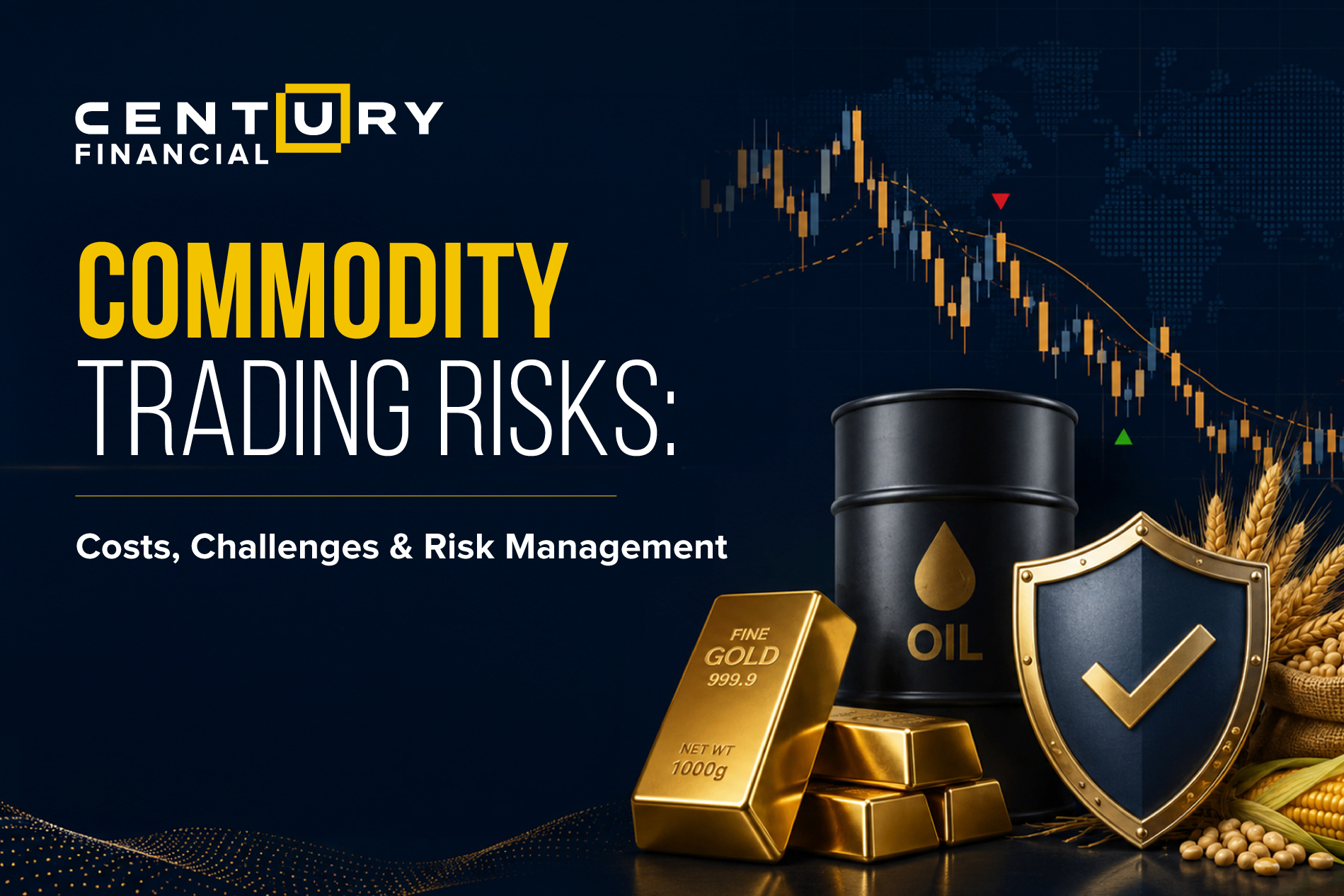
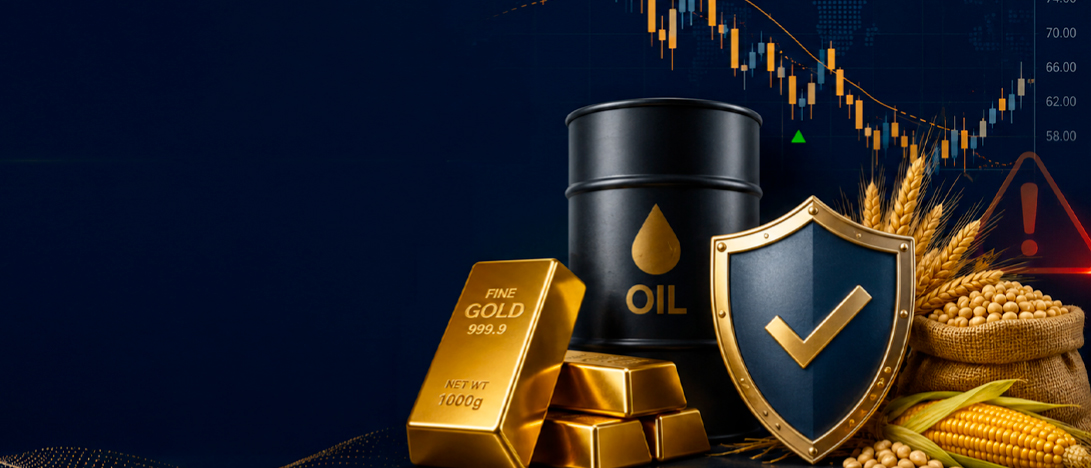
Commodity trading is the buying and selling of raw materials like oil, gold, wheat, copper, and natural gas. Traders aim to profit from price changes between when they enter and exit a trade. For most retail traders, physical delivery almost never happens. Instead, they usually trade futures contracts or CFDs that follow commodity prices.
Leverage is common in commodity trading. For example, with $1,000, a trader can control $100,000 worth of crude oil using 100:1 leverage.
Popular Commodities Traded in Global Markets
Commodities are broadly bifurcated into perishables (agro products) and non-perishables (metals, oils).
Commodity Trading in the UAE
UAE commodity trading operates under Capital Markets Authority (CMA) regulation. Licensed brokers like Century Financial provide access to global commodity markets. Most UAE traders access commodities through CFDs or futures rather than physical delivery.
What Are the Main Risks in Commodity Trading?
Market Price Volatility
Commodity prices can change quickly and sharply. For example, oil might drop 5% after a production announcement, gold could rise 3% following comments from the Federal Reserve, and wheat prices may jump 10% after a crop report. These changes often happen within hours or even minutes.
Leverage and Margin Risk
Leverage lets you control large positions with small capital. It also means leverage can destroy your account with small price moves. To secure both parties, brokers set margin requirements. If your position drops past the margin level, a margin call is issued, and the position is closed on non-response.
Liquidity Risk
Most commodities have high trading volumes during peak hours. During off-hours, however, trading volume drops and spreads can become five to ten times wider than usual. Large positions can also create liquidity risk. If you try to exit a $500,000 position, the market might move against you before your trade is completed.
Geopolitical and Economic Risks
Wars in oil-producing regions can cause crude oil prices to spike, and sanctions on major producers can change supply levels. Central bank policy announcements can move precious metals right away. Unexpected economic data can also surprise the markets. These events create gap risk, so it helps to monitor the market closely and set up alerts.
Currency Exchange Risk
Commodities are traded worldwide in U.S. dollars. When the dollar gets stronger, commodities become more expensive for buyers using other currencies, which can lower demand. If you are betting that gold will go up, you also want the dollar to weaken.
Supply and Demand Risk
Unexpected supply disruptions, such as mining accidents, production shutdowns, port closures, or bad weather, can reduce supply. On the other hand, surprises in demand, like an economic slowdown or changes in consumption habits, can lower demand. Both situations can cause sharp price changes.
What Costs Are Involved in Commodity Trading?
Bid-Ask Spread: Every commodity has a bid price (what you receive when selling) and an ask price (what you pay when buying). Major commodities (crude, gold) trade tight spreads while minor commodities or off-hours spreads widen dramatically.
Brokerage and Commission Fees: Some brokers charge per-trade commissions. Others charge spreads only (no commissions). It is smarter to compare total costs and not just one component.
Overnight Financing (Swap) Charges: If you keep a commodity position overnight, your broker will charge you a financing fee. The amount depends on the commodity and the broker.
Exchange and Regulatory Fees: Exchange fees and regulatory charges are small but can add up as they accumulate across many trades.
Slippage: The difference between anticipated and actual execution price is called slippage and has a high probability of happening during volatility.
Commodity Trading Risk Management Strategies
Position Sizing
The 1-2% rule—risk no more than 1-2% of your account per trade—applies to commodity trading too. Smaller, diversified positions cause smaller swings, thereby increasing the ability to hold through temporary adversity without margin calls.Using Stop-Loss and Take-Profit Orders
Stop-loss orders automatically close your position if it hits a certain loss level. Take-profit orders close your position when you reach your profit target. Set these orders at realistic levels based on your risk-to-reward calculations. Do not hold onto winning trades hoping for more; exit when you reach your targets.Portfolio Diversification
If you trade only one commodity or asset class, you take on more risk. Trading several commodities, such as oil, gold, and agricultural products, helps spread out your risk. Commodities often move in the opposite direction of other assets, like stocks and gold. Hedging can also help protect you from some risks.Managing Leverage Responsibly
Using the maximum leverage can seem tempting, but even a small price move can wipe out your account. It is better to start with low leverage and only increase it after you have tested your strategies and shown you can make a profit. Lower leverage helps you stay in the market longer by protecting your capital.Following a Trading Plan
Write down your rules before trading: entry signals, exit rules, stop-loss placement, position sizing, and document trades in a trading journal. Follow the plan every trade, so when losses happen, the plan prevents emotional revenge trading.Watching Economic Events
Check economic calendars before trading. Major announcements (Fed decisions, employment data, supply reports) create gap risk. You can avoid trading 1 hour before and after announcements or accept the volatility and widen stops.Common Mistakes Commodity Traders Should Avoid
As mentioned earlier, there are several common mistakes in commodity trading that you can avoid with some planning and discipline. Watch out for these:
Commodity Trading in the UAE: Key Considerations
Elevate your trading
experience with
Century Trader App
Elevate your trading experience
with
Century Trader App

Conclusion
Commodity trading offers many opportunities, but it also comes with significant risks. To succeed, you need to understand these risks, accurately calculate trading costs, and use disciplined risk management. Profitable traders use position sizing, stop-loss orders, portfolio diversification, and careful leverage to protect their accounts.
Even the best trading strategy can fail without the right broker and platform. Century helps traders stay connected, informed, and secure with the Century Trader app, market insights, and a regulated platform that offers 24x5 multilingual support. You can open an account or try out your commodity trading strategies on our demo account today.
Frequently Asked Questions
Q1: What are the biggest risks in commodity trading?
A: Price volatility, leverage amplification, gap risk, liquidity risk, and geo-political/supply shocks are some of the major risks involved in commodity trading.
Q2: What costs should I consider before trading commodities?
A: You should consider bid-ask spreads, brokerage commissions, overnight financing charges, exchange fees, and slippage when trading. Calculate your total annual costs before choosing a strategy, because these costs can take a big bite out of your profits over time.
Q3: How can I manage risk in commodity trading?
A: A good rule of thumb is to risk no more than 1-2% of your account on each trade. You should also use stop-losses on every trade, aim for a risk-to-reward ratio of at least 1:2, manage your leverage carefully, diversify across different commodities, and keep an eye on economic calendars.
Q4: Is commodity trading suitable for beginners?
A: Many beginners overleverage and end up blowing up their accounts within weeks. Commodity trading can work for beginners if they use conservative leverage, strict position sizing, and practice on demo accounts before trading capital.
Q5: Is commodity trading legal in the UAE?
A: Yes, through licensed brokers regulated by the Capital Markets Authority like Century Financial. Only trade through licensed, CMA-regulated brokers, and verify licenses before funding the account.
لا تقدم شركة سنشري للإستشارات والتحليل المالي ش.ذ.م.م (الشركة) محتوى هذه المدونة، بما في ذلك أي أبحاث أو تحليلات أو آراء أو توقعات أو أي معلومات أخرى (يُشار إليها مجتمعةً باسم "المعلومات")، إلا لأغراض التسويق والتثقيف وإتاحة المعلومات العامة. ولا يُفسَّر ذلك على أنه نصيحة استثمارية أو توصية أو دعوة لشراء أو بيع أي أدوات مالية.
كما يجوز نشر هذه المعلومات عبر قنوات مختلفة، بما في ذلك موقع الشركة الإلكتروني، ومنصات الغير، والنشرات الإخبارية، والمواد التسويقية، ورسائل البريد الإلكتروني، ووسائل التواصل الاجتماعي، وتطبيقات المراسلة، والندوات الإلكترونية، وغيرها من وسائل التواصل. وبينما تسعى الشركة لضمان دقة المحتوى، فإنها لا تضمن اكتماله أو موثوقيته أو تحديثه في الوقت المناسب. وعليه، فأي قرارات تُتخذ بناءً على هذه المعلومات تكون على مسؤوليتك الشخصية. ولا تتحمل الشركة أي مسؤولية عن أي خسارة أو ضرر ناتج عن استخدامها.
ينطوي تداول المنتجات المالية على مخاطر كبيرة، بما لا يتناسب مع جميع المستثمرين. فيُرجى التأكد من وعيك التام بالمخاطر، وطلب الاستشارة المهنية المتخصصة إذا لزم الأمر.
يُرجى الاطلاع على بيان كشف المخاطر الشامل المتوفر على موقعنا الإلكتروني.

تنظمها هيئة الأوراق المالية والسلع
سنشري للاستشارات المالي ش.ذ.م.م


تصل إلينا:
-
دبي
الطابق رقم 6, مبنى رقم 4, ساحة إعمار دبي
وسط مدينة دبي، ص.ب: 65777،
دبي، الإمارات العربية المتحدة -
Abu Dhabi
27th Floor, Office 2701,
Shining Towers, Abu Dhabi, UAE -
Sharjah
29th Floor, Office 2905,
The Business Tower, Sharjah, UAE - +971 (4) 356 2800
- info@century.ae

Century Financial is the presenting sponsor of

ينطوي التداول في المنتجات المالية على مخاطر كبيرة. فالاعتماد على المشتقات المالية المتاحة للتداول خارح البورصة، مثل عقود الفروقات وتداول العملات الأجنبية (الفوركس) الفوري، قد يتسبب في خسائر تتجاوز قيمة الإيداعات الأولية، مما يجعلها غير ملائمة لجميع المستثمرين. فهذه الأدوات المالية المعقدة لا تمنح ملكية مباشرة للأصول الأساسية. لذا، ينبغي للمستثمرين الاحتراز عند تحديد أهدافهم الاستثمارية ومراعاة مستوى المخاطرة المتوقَع، واللجوء إلى الاستشارة المهنية المتخصصة عند الضرورة.
سنشري للإستشارات والتحليل المالي ش.ذ.م.م (الشركة)، شركة مرخّصة ومنظمة من هيئة الأوراق المالية والسلع في دولة الإمارات العربية المتحدة، بموجب الترخيص رقم (20200000028) و(301044) لتولي أعمال الوساطة في الأسواق الدولية، وتداول المشتقات المالية والعملات المتاحة للتداول خارج البورصة في سوق التداول الفوري، بالإضافة إلى تقديم الخدمات الاستشارية والترويجية. تأسست الشركة بموجب قوانين دولة الإمارات العربية المتحدة، وهي مسجلة لدى دائرة التنمية الاقتصادية بدبي (رقم: 768189)، حيث يقع مكتبها المسجّل في 601، الطابق السادس، المبنى رقم 4، ميدان إعمار، وسط مدينة دبي، دولة الإمارات العربية المتحدة، ص.ب. 65777.
لا يُعرَض محتوى هذا الموقع الإلكتروني إلا لأغراض تعريفية تثقيفية بحتة، فلا يمثل عرضًا ولا توصيةً ولا دعوةً لشراء أو بيع أي أوراق مالية أو منتجات مالية.
لا تنوي الشركة استخدام أو توزيع منتجاتها وخدماتها في أي ولاية قضائية حيث يُشكِّل هذا الاستخدام أو التوزيع انتهاكًا للقوانين المحلية أو اللوائح التنظيمية.
