 Loading ...

Tuesday, December 30, 2025
Stock Split: Meaning, Types, Examples (Complete Guide for Beginners and Traders)
تم إعداد هذا المنشور من قبل سنشري للاستشارات
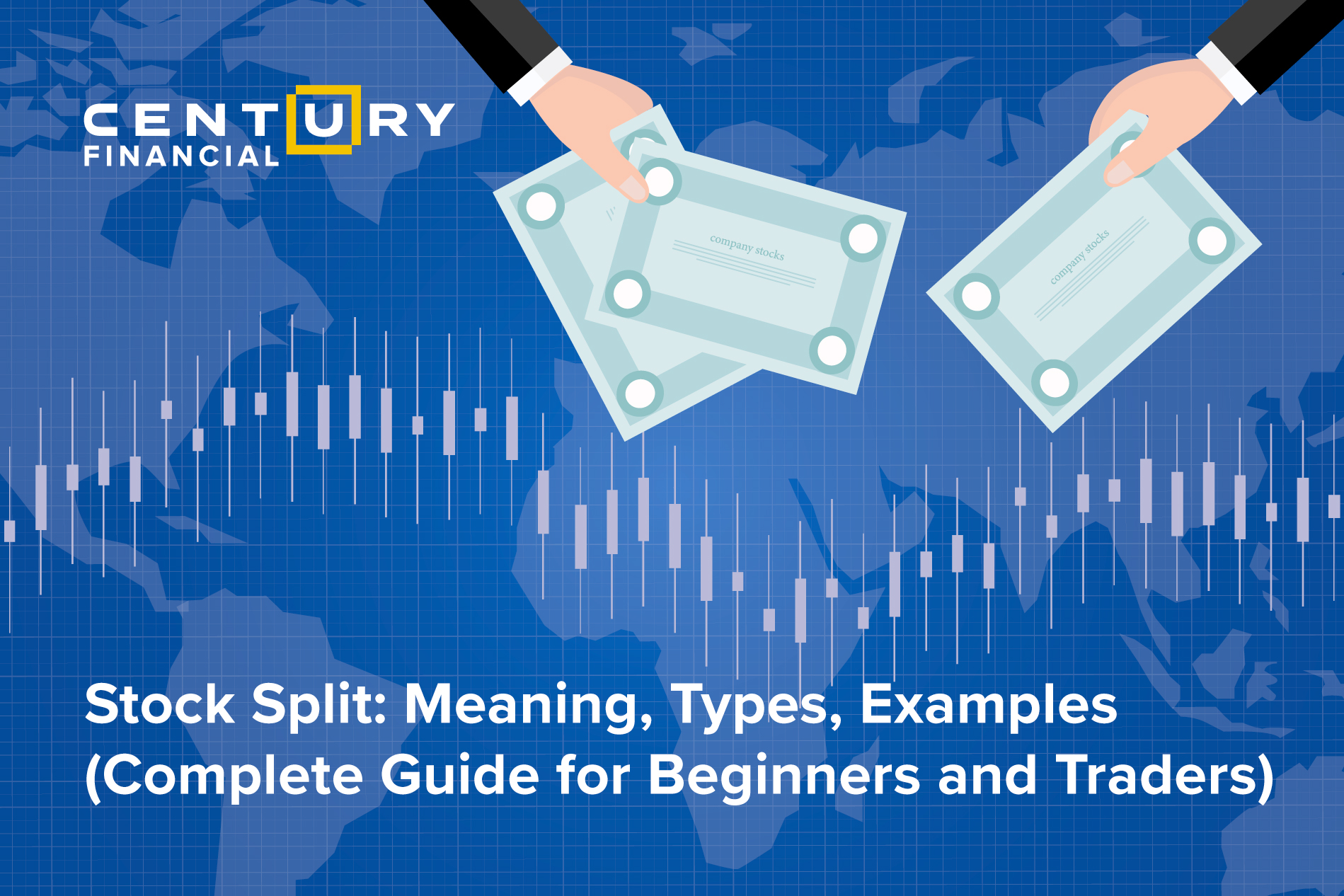

A stock split is a corporate action in which a company issues additional shares to existing shareholders while reducing the per-share price proportionately. Still, it does not change the company’s overall market capitalization. Since the total market value remains constant, understanding this helps traders see that stock splits mainly affect share price and liquidity without altering the company’s value.
Stock splits are common among growing companies whose share prices have risen significantly over time. Understanding how stock splits work, the different types, such as forward split and reverse split, and how they affect investors can help traders make informed decisions. In this guide, you’ll learn why companies split their shares, real-world examples, and how stock splits affect your portfolio and market sentiment.
What Is a Stock Split?
As mentioned, a stock split is a corporate action in which a company increases the number of shares outstanding without further liquidation. Existing shareholders will see an increased quantity in their holdings without any additional investment.
For example, in a 2-for-1 stock split, every shareholder receives one additional share for each share they already own, but the stock price is halved. The overall investment value remains unchanged.
This split shares meaning is crucial for traders seeking deeper market liquidity, easier entry points, and more trading opportunities.
Why Do Companies Do Stock Splits?
Companies typically announce a share split when their stock price becomes too high, making it less affordable for retail investors. A lower price improves liquidity and encourages greater trader participation.
Additionally, a split signals strong corporate confidence. Growing companies often use stock splits to reflect long-term performance and broaden their investor base.
This makes stock splits an essential indicator for active traders tracking corporate actions.
How a Stock Split Works
Here’s a simple breakdown of how a stock split operates:
Although the number of shares increases, the market capitalization remains unchanged. Stock splits only modify the number of shares and the per-share price, not the company’s value.
Common Types of Stock Splits
Companies can use different ratios depending on their goals. The most common types include:
2-for-1 Stock Split
If a stock trades at 200, after a 2-for-1 split, the price per share is 100, and each shareholder now owns twice as many shares. This maintains value while improving liquidity.
3-for-1 and 5-for-1 Splits
Companies with strong price growth often adopt larger split ratios to maintain stock price attractiveness to retail investors. These splits allow investors to acquire more shares at a lower price, thereby increasing trading volume.
Fractional Stock Splits
Some companies offer fractional shares after splits for users holding odd numbers of shares. This ensures every investor receives the correct proportion; even small traders benefit from such actions.
Types of Financial Risks That Can Be Hedged

Market Risk
Market or systematic risk arises from broader movements in financial markets, which cannot be mitigated through diversification. Hence, for better risk management, you can use index futures, volatility futures, or options to take an opposing position from that of your portfolio.

Currency Risk
Currency or FX risk occurs due to changes in foreign exchange rates affecting cash flows and investments denominated in foreign currencies. Using FX forwards, swaps, and currency options to take counter-positions, individuals and institutions hedge to reduce currency risk.

Interest Rate Risk
Fixed-income products and bonds are particularly susceptible to this risk. Raising rates can lower the yield, thereby reducing returns for lenders. Interest rate swaps help dodge this risk and stabilize fixed income returns. Investors with bond-heavy portfolios can thus mitigate interest-rate risks through hedging.

Credit or Default Risk
Financial risk hedging doesn’t stop those created by pure market forces. Credit or default risk occurs when a counterparty or borrower fails to meet their obligations. Credit default swaps, for example, provide a payout in the event of a default by the reference entity, helping investors dodge default possibilities.
Popular Hedging Instruments

Options and Futures
Options and futures are among the most widely used instruments in hedging and risk management. Options are more flexible, and futures allow you to lock in prices ahead of time. Understanding how to trade in these instruments can give you flexibility and limited downside risk in some positions.

Inverse ETFs
Inverse ETFs are exchange-traded funds designed to move in the opposite direction of the index or assets they track. Here, you can protect against market downside without short selling, making it a great instrument for hedging. Investors who understand the trading basics use inverse ETFs to safeguard their portfolio.

Diversification
Diversification is the most timeless and universal form of risk management. Managing risk while trading is made easy through choosing instruments that belong to different sectors, classes, and risk levels. Though diversification doesn’t hedge against systemic risk, it does protect you against idiosyncratic exposures.

Stop-Loss Orders
Stop-loss orders are one of the simplest yet most effective hedging tools. Setting an order on a predetermined price will help you limit downside risk by offloading those assets when they reach a certain price. Hedging in risk management need not always be about adding to your positions.
How Hedging Works: Simple Examples
Imagine a UAE-based exporter expecting payments in USD. After studying some trading patterns, they feel the dirham strengthens against the dollar; their future income shrinks. So, to hedge, they use a futures contract to lock in the current exchange rate.
A small investor is sure that the market is on the verge of a correction. They are not interested in selling the securities in their portfolio. They go ahead and buy a put option. If the market takes a downturn, they might make up for their portfolio losses through gains from their put position.
Benefits and Limitations of Hedging
| Benefits | Limitations |
|---|---|
| Protects portfolio from downside risks | Comes with costs like premiums, fees, and margin |
| Provides stability during volatility | Can limit upside from original position too |
| Flexible because of multiple instruments | Strategies can be complex and difficult to implement |
| Helps manage multiple risks in one go | Can introduce new risks (leverage in F&O) |
| Can help build confidence | Not foolproof, extreme events can still cause losses |
For a smoother experience while hedging,
Tools & Platforms to Hedge Your Investments
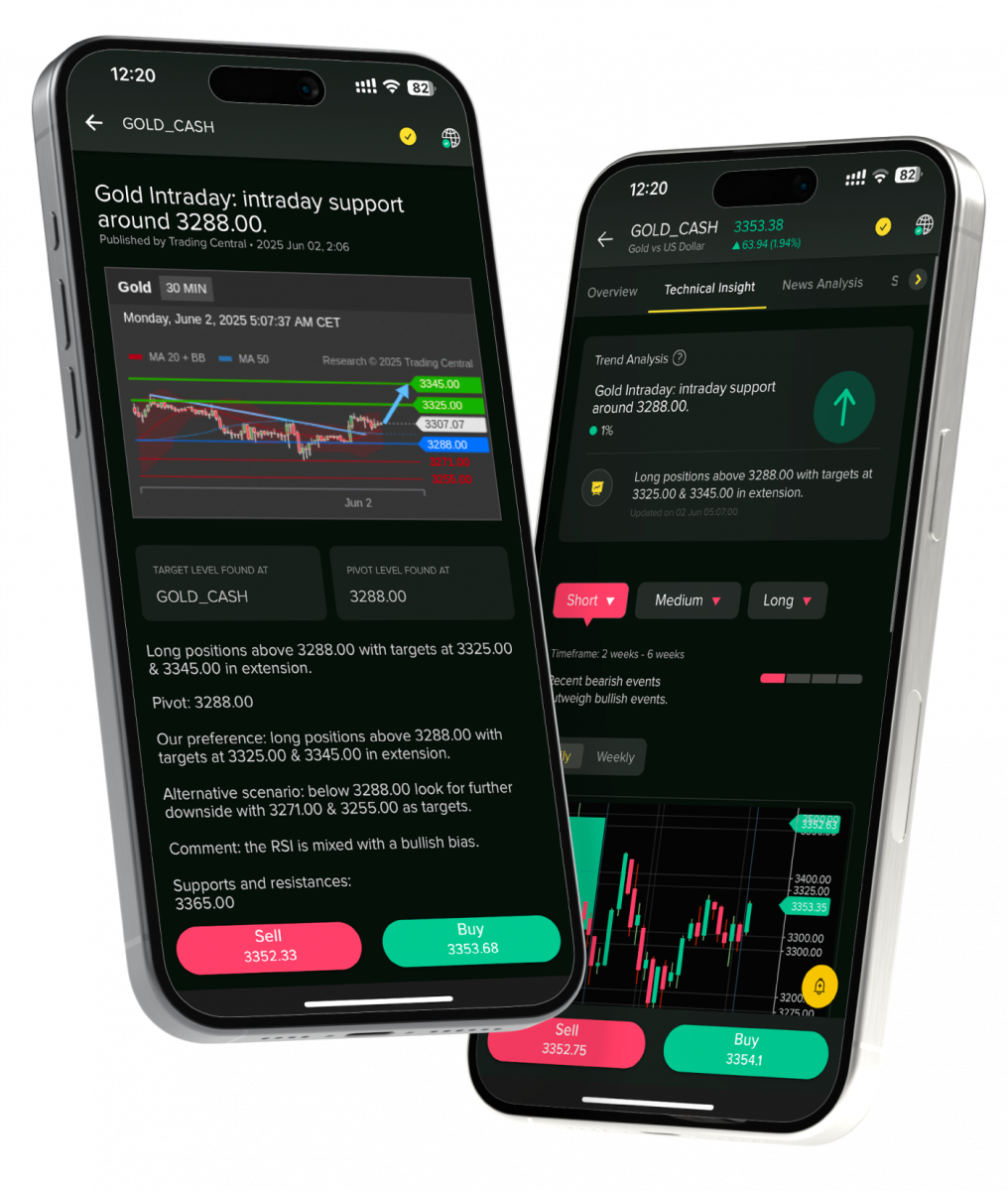
Understanding volatility and managing risk can sound complex, but with the right tools, it can be easy and quick. With the Century Trader App, you will have access to all the necessary tools, including live charts, education hubs, and research insights, to make informed decisions. With stocks and CFDs and F&O available to traders through the trusted IBKR platform, Century ensures your trades are hedged smoothly.
Is Hedging Suitable for You?
Hedging is definitely not a one-size-fits-all strategy, but if you hold a position in the financial markets, financial risk hedging is for you. It is best suited for preserving capital, limiting downside risk, and bringing stability to long-term strategies. Even at additional costs, hedging can stop your portfolio from going deep into the red.
If you are someone who worries about markets or finds it hard to analyze them, it is advisable to learn a few of the hedging strategies and safeguard your portfolio against risks prevalent in the market.
Conclusion
In trading terminology, it will be hard to find a concept this critical in the markets that benefits both long- and short-term investors alike. Reducing risk and making the portfolio stronger in the face of market unpredictability gives it a unique allure.
But no matter what the strategy is, having a dependable platform and broker makes it stronger and more solid. With Century, you need to focus solely on your methods and portfolios because we ensure everything from order execution to settlement happens seamlessly.
FAQs
Q1. What is the purpose of hedging in financial risk management?
A: The primary purpose of hedging is to reduce exposure to adverse market movements, effectively acting like portfolio insurance.
Q2: Is hedging the same as diversification?
A: Diversification is a type of hedging in risk management. Hedging also extends to using tools like stop losses or F&O instruments to reduce risk.
Q3: Which tools are used for hedging market risk?
A: Common hedging instruments include options, futures, inverse ETFs, diversification, and stop-loss orders.
Q4. Can retail investors hedge their portfolios in the UAE?
A: Yes, retail investors in the UAE can hedge their portfolios through local and global financial market assets.
Q5. What are the risks of using hedging strategies?
A: Hedging and risk management might come with additional costs. Poorly executed strategies may even amplify risks.
لا تقدم شركة سنشري للإستشارات والتحليل المالي ش.ذ.م.م (الشركة) محتوى هذه المدونة، بما في ذلك أي أبحاث أو تحليلات أو آراء أو توقعات أو أي معلومات أخرى (يُشار إليها مجتمعةً باسم "المعلومات")، إلا لأغراض التسويق والتثقيف وإتاحة المعلومات العامة. ولا يُفسَّر ذلك على أنه نصيحة استثمارية أو توصية أو دعوة لشراء أو بيع أي أدوات مالية.
كما يجوز نشر هذه المعلومات عبر قنوات مختلفة، بما في ذلك موقع الشركة الإلكتروني، ومنصات الغير، والنشرات الإخبارية، والمواد التسويقية، ورسائل البريد الإلكتروني، ووسائل التواصل الاجتماعي، وتطبيقات المراسلة، والندوات الإلكترونية، وغيرها من وسائل التواصل. وبينما تسعى الشركة لضمان دقة المحتوى، فإنها لا تضمن اكتماله أو موثوقيته أو تحديثه في الوقت المناسب. وعليه، فأي قرارات تُتخذ بناءً على هذه المعلومات تكون على مسؤوليتك الشخصية. ولا تتحمل الشركة أي مسؤولية عن أي خسارة أو ضرر ناتج عن استخدامها.
ينطوي تداول المنتجات المالية على مخاطر كبيرة، بما لا يتناسب مع جميع المستثمرين. فيُرجى التأكد من وعيك التام بالمخاطر، وطلب الاستشارة المهنية المتخصصة إذا لزم الأمر.
يُرجى الاطلاع على بيان كشف المخاطر الشامل المتوفر على موقعنا الإلكتروني.



تنظمها هيئة الأوراق المالية والسلع
سنشري للاستشارات المالي ش.ذ.م.م


تصل إلينا:
-
دبي
الطابق رقم 6, مبنى رقم 4, ساحة إعمار دبي
وسط مدينة دبي، ص.ب: 65777،
دبي، الإمارات العربية المتحدة -
Abu Dhabi
27th Floor, Office 2701,
Shining Towers, Abu Dhabi, UAE -
Sharjah
29th Floor, Office 2905,
The Business Tower, Sharjah, UAE - +971 (4) 356 2800
- info@century.ae

Century Financial is the presenting sponsor of

ينطوي التداول في المنتجات المالية على مخاطر كبيرة. فالاعتماد على المشتقات المالية المتاحة للتداول خارح البورصة، مثل عقود الفروقات وتداول العملات الأجنبية (الفوركس) الفوري، قد يتسبب في خسائر تتجاوز قيمة الإيداعات الأولية، مما يجعلها غير ملائمة لجميع المستثمرين. فهذه الأدوات المالية المعقدة لا تمنح ملكية مباشرة للأصول الأساسية. لذا، ينبغي للمستثمرين الاحتراز عند تحديد أهدافهم الاستثمارية ومراعاة مستوى المخاطرة المتوقَع، واللجوء إلى الاستشارة المهنية المتخصصة عند الضرورة.
سنشري للإستشارات والتحليل المالي ش.ذ.م.م (الشركة)، شركة مرخّصة ومنظمة من هيئة الأوراق المالية والسلع في دولة الإمارات العربية المتحدة، بموجب الترخيص رقم (20200000028) و(301044) لتولي أعمال الوساطة في الأسواق الدولية، وتداول المشتقات المالية والعملات المتاحة للتداول خارج البورصة في سوق التداول الفوري، بالإضافة إلى تقديم الخدمات الاستشارية والترويجية. تأسست الشركة بموجب قوانين دولة الإمارات العربية المتحدة، وهي مسجلة لدى دائرة التنمية الاقتصادية بدبي (رقم: 768189)، حيث يقع مكتبها المسجّل في 601، الطابق السادس، المبنى رقم 4، ميدان إعمار، وسط مدينة دبي، دولة الإمارات العربية المتحدة، ص.ب. 65777.
لا يُعرَض محتوى هذا الموقع الإلكتروني إلا لأغراض تعريفية تثقيفية بحتة، فلا يمثل عرضًا ولا توصيةً ولا دعوةً لشراء أو بيع أي أوراق مالية أو منتجات مالية.
لا تنوي الشركة استخدام أو توزيع منتجاتها وخدماتها في أي ولاية قضائية حيث يُشكِّل هذا الاستخدام أو التوزيع انتهاكًا للقوانين المحلية أو اللوائح التنظيمية.
