 Loading ...

Wednesday, December 17, 2025
Paper Trading: A Complete Beginner’s Guide to Risk-Free Market Practice
By Century Financial in 'Blog'
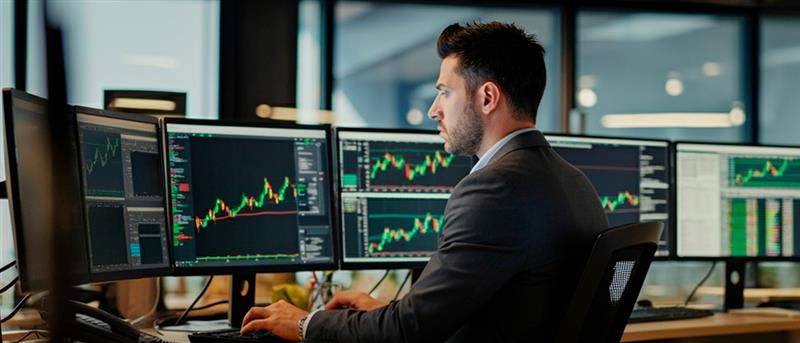
Paper trading is a simple way to practice buying and selling financial instruments without risking real money. It enables new traders to understand market trends, test tactics in advance, and build confidence before transitioning to live trading. You get to trade stocks, commodities, currencies, or indexes in real-time market conditions using virtual funds,
This risk-free environment helps you learn order types, chart analysis, and how to execute trades. Emotional discipline is also polished in paper trading, which reveals how a decision may change under stress. It particularly helps hone strategies and monitor performance over the long term. In general, it is the ideal starting point for anyone looking to understand the market safely and efficiently.
What Is Paper Trading?
Paper trading is simulated trading that uses virtual money rather than real money. This environment helps traders test their strategies, study price movements, and observe how markets react in real time.
There is no real risk of gain or loss, as in live trading, and it is a perfect option for first-time traders who want to build confidence and learn how to operate in a market.
The practice of paper trading dates back to the early years, when hypothetical trades were manually written on paper and traders executed them without risking capital. Modern systems are much more nuanced, offering live prices, charts, indicators, and analytics, giving users a realistic market experience and the ability to learn at their own pace.
Why Paper Trading Is Important for New Traders?
Paper trading plays a crucial role in building confidence and developing familiarity with how markets move. Many beginners enter live trading too quickly and face losses simply due to inexperience.
Practicing in a simulated environment removes risks arising due to naivete while providing a safe space to learn the basics. Traders can observe their real-time market reactions in this engineered environment and test different timeframes and practice professional trading styles, all without any ‘real market’ pressures. By using a paper-trading app or a demo account available with some brokers like Century Financial, beginners can identify mistakes early, refine their strategies, and make progress without risking capital.
How Paper Trading Works
Paper trading platforms recreate market conditions using real-time or slightly delayed price data. When you place a virtual order, the platform executes it as it would in a live market, providing an authentic trading experience.
Step-by-step Process
Create an account on a paper trading platform
Access real-time charts and market data
Place trades using virtual capital
Track your performance through analytics dashboards
Review wins, losses, and strategy effectiveness
Switch to live trading once you feel confident
This structured approach helps traders build discipline and prepares them for real-market execution on platforms like Century Trader, CQG, or TWS.
Paper Trading vs Real Trading
Although paper trading closely mirrors markets, there are essential differences traders must understand before going live.
Key Differences
No emotional pressure
No slippage or execution delays
Some simulators offer unrealistically high capital.
No real financial consequences
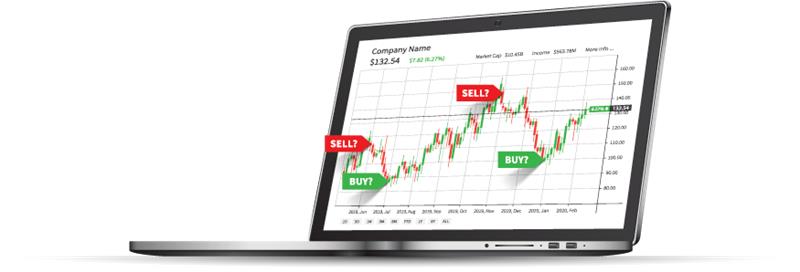
In real trading, your state of mind plays a significant role. Even small price movements can cause fear or greed, influencing decisions. While paper trading teaches mechanics and strategy execution, one can argue that true trading psychology develops only when real money is involved.
Benefits of Paper Trading
Paper trading provides several valuable advantages that help traders improve their skills and confidence.
Zero-Risk Environment
You can experiment with new strategies without worrying about financial losses. This is especially useful for beginners and for those learning about advanced leveraged products in markets such as options, futures, or CFDs.
Strategy Testing and Optimization
Different market phases require different trading strategies. With paper trading, traders can test indicators, chart patterns, leverage techniques, or algorithmic models before applying them to real markets such as forex, commodities, or indices.
Builds Technical & Analytical Skills
Paper trading helps you master charting, order types, market behavior, and execution techniques. These skills transition smoothly to live platforms like Century Trader, leading to better decision-making and more consistent performance.
Paper Trading Options
Options trading involves variables such as strike prices, expiry dates, volatility, premiums, and Greeks, which can make it complex for beginners. Paper trading allows you to practice options strategies without emotional pressure or financial risk.
You can simulate strategies like:
Practicing these strategies in a paper trading app helps you understand break-even points, risk-reward ratios, and how volatility affects profitability.
Paper Trade Futures
Futures trading involves significant leverage. So it is important to practice before trading live. Paper trading in futures helps you learn about:
It also helps you understand how futures prices respond to global news, economic data releases, and overnight market movements. Paper trading gives you a trial run on the futures market with all its features and no risk. You can understand how leverage impacts your position, exposure, and margins, helping you create a realistic view of what futures are and how they work.
Simulating futures contracts for commodities, indices, currencies, and treasuries helps you build precision, timing, and confidence—making your transition to live markets much smoother and more disciplined
Common Mistakes Traders Make While Paper Trading
Many traders misuse paper trading, which reduces its real-world benefits. Understanding what to avoid can significantly improve your training experience
Treating Paper Trading Too Casually:
Traders often take unrealistic risks because they lack fear of loss. This leads to poor habits when switching to live trading. Treating practice like real trading builds discipline and sharpens decision-making.
Not Tracking Performance:
If you don’t track wins, losses, and reasoning, you won’t understand what works. Use trading journals even in paper trading. Reviewing your trades helps you identify patterns, emotional triggers, and areas for improvement.
Ignoring Risk Management:
Virtual capital creates a false sense of security. Always apply stop-loss, position sizing, and proper risk-reward strategies. This builds habits that will protect your real capital later.
Transitioning from Paper Trading to Live Trading
Once you are consistent in your virtual results, the next step is to switch to real markets. With Century Financial, you can choose from Century Trader, MT5, CQG, and TWS as your live trading platform. This transition should be gradual and deliberate to minimize emotional and financial risks.
Start Small:
Begin with small positions and increase the size gradually. This helps your psychology adjust to real capital fluctuations without overwhelming stress.
Choose the Right Platform:
Move to a reliable and regulated trading platform like Century Trader, which provides access to currencies, shares, commodities, indices, treasuries, ETPs, and CFDs. A stable platform reduces technical errors and improves execution quality
Develop Emotional Control:
Real trading requires discipline. Stick to your tested paper-trading strategy. Managing fear, greed, and hesitation becomes easier when you have already developed strong habits during simulation.
How Paper Trading Helps Reduce Liquidity Risk
Liquidity risk is the risk of entering or exiting positions without a significant price impact. Many traders are unaware that poor liquidity can distort the performance of their strategies.
Paper trading helps you understand:
How spreads widen during volatile events
How low-liquidity assets react to large orders
The difference between market and limit orders
Price slippage in fast-moving markets
It also teaches you how to identify liquid vs. illiquid market hours and how volume affects execution quality. By practicing with simulated liquidity conditions, traders can prepare for real-market scenarios and avoid unexpected losses. Platforms like Century Trader offer deep liquidity across multiple markets, which reduces this risk when you transition to live trading.
Conclusion
Trading can be complicated for a novice, especially when they don’t understand market drivers and lack the right mindset to trade. Regular participation, sound strategy, and discipline are the key factors that help a beginner become a professional trader.
With paper trading, beginners not only get used to the platforms, but they also gain insights into how the market works with a safety net.
Elevate your trading experience with
Century Trader App
Elevate your trading experience with
Century Trader App

FAQs
Q1. Is paper trading accurate?
A: Yes, paper trading replicates real-market conditions using live or near-live data. However, emotional factors and slippage differ in real trading.
Q2: Is paper trading free?
A: Yes, most trading platforms offer paper trading at no cost, allowing beginners to practise with virtual funds. It’s an easy way to learn about the markets with no financial commitment.
Q3: Can I practice options and futures through paper trading?
A: Yes, many platforms allow you to paper trade options and futures to understand contract structures and leverage effects.
Q4. How long should I paper trade?
A: You should paper trade until you can demonstrate consistent, disciplined performance—usually for at least 1 to 3 months
Q5. Can I lose money while paper trading?
A: No, you cannot lose real money because all trades are executed using virtual capital. However, poor habits developed during paper trading can carry over into live trading.
Related Reads
This marketing and educational content has been created by Century Financial Consultancy LLC (“Century”) for general information only. It does not constitute investment, legal, tax, or other professional advice, nor does it constitute a recommendation, offer, or solicitation to buy or sell any financial instrument. The material does not take into account your investment objectives, financial situation, or particular needs.
The opinions expressed by the hosts, speakers, or guests are their own and may change without notice. Information is based on sources we consider to be reliable; however, Century does not guarantee its accuracy, completeness, or timeliness and accepts no liability for any loss arising from reliance on this content.
Trading and investing involve significant risk, and losses may exceed initial deposits. Past performance is not indicative of future results. CFDs and other leveraged products are complex instruments that may not be suitable for all investors. Please ensure you understand how these products work, the associated risks, and seek independent professional advice if necessary.
Century is licensed and regulated by the UAE Capital Market Authority (CMA) under License Nos. 20200000028 and 301044.
Please refer to the full risk disclosure mentioned on our website.




Regulated by CMA
Century Financial Consultancy LLC


.png)
.png)
.png)
.png)

Reach us:
-
Dubai
6th Floor, Emaar Square Building 4,
Downtown, Dubai, P.O. Box 65777,
Dubai, United Arab Emirates -
Abu Dhabi
27th Floor, Office 2701,
Shining Towers, Abu Dhabi, UAE -
Sharjah
29th Floor, Office 2905,
The Business Tower, Sharjah, UAE - +971 (4) 356 2800
- info@century.ae

Disclaimer: Trading in financial products carries substantial risk. Leveraged over-the-counter (OTC) derivatives, such as Contracts for Difference (CFDs) and spot forex, may result in losses exceeding initial deposits and may not be suitable for all investors. These complex instruments do not confer ownership of the underlying assets. Investors should carefully consider their investment objectives and risk appetite, and seek independent professional advice if necessary.
Century Financial Consultancy LLC (CFC) is licensed and regulated by the Capital Market Authority (CMA) of the UAE under license numbers 20200000028 and 301044 to carry out the activities of Financial Products dealer, Trading Broker in international markets, Trading Broker of OTC derivatives and currencies in the spot market, Introduction, Financial Consultations, and Promotion. CFC is incorporated under UAE law, registered with the Dubai Economic Department (No. 768189), with its office at 601, Level 6, Building No. 4, Emaar Square, Downtown Dubai, UAE, PO Box 65777.
The content on this website is provided solely for informational and educational purposes and does not constitute an offer, recommendation, or solicitation to buy or sell any securities or financial products.
Products and services offered by CFC are not intended for use in any jurisdiction where such use or distribution would breach local laws or regulatory requirements.
⚠️ Alert: Fraudulent Activity Notice
Century Financial Consultancy LLC (“Century”) has become aware of fraudulent individuals and entities impersonating our firm through unofficial websites, social media channels, and messaging applications such as Telegram, WhatsApp, and Discord.
Please be advised:
- Century does not manage investments on behalf of clients.
- Century does not solicit funds or guarantee investment returns.
- Century does not accept or make payments in cash, cryptocurrency, or digital assets.
- We do not conduct business via social media or messaging platforms.
Our only official website is www.century.ae, and all communication is conducted exclusively through verified channels.
We strongly urge the public to remain vigilant, verify the authenticity of any communication claiming to be from Century, and report any suspicious activity. Century disclaims any responsibility for losses arising from dealings with unauthorised or fraudulent parties.
