 Loading ...

Monday, March 16, 2026
Stockbroker Explained: Meaning, Definition, Role and Real Examples
By Century Financial in 'Blog'
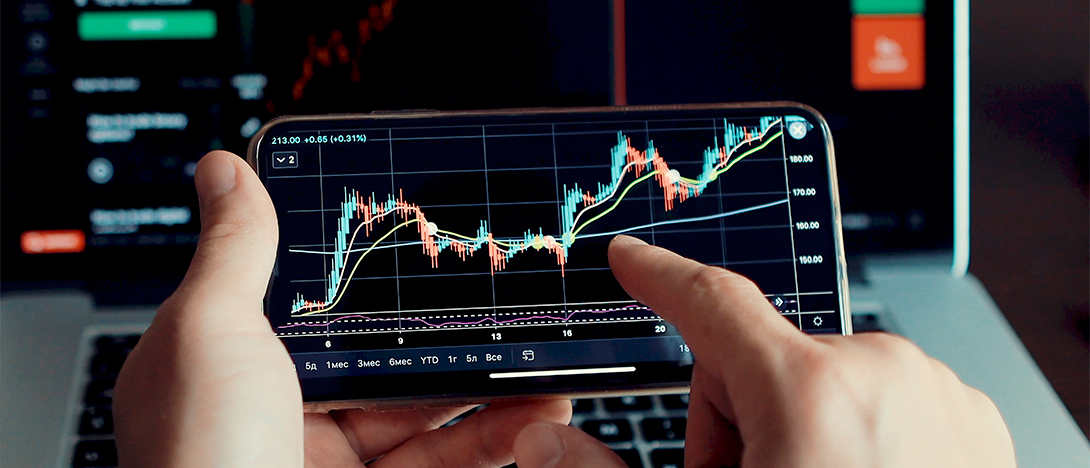
Whether you're eyeing your first equity trade or building a multi-asset portfolio with commodities and CFDs, a stockbroker gives you the access, infrastructure, and execution speed you need. For over 35 years, Century Financial has helped UAE traders, both local and expatriate, steer these markets with clear insight and confidence.
This guide breaks down what stockbrokers actually do, how they operate in today's digital markets, and what separates a good broker from a great one.
What Is a Stockbroker? Meaning and Definition?
Think of a stockbroker as your entry point to financial markets. Individual investors can't trade directly on exchanges like the Dubai Financial Market or international bourses. Stockbrokers close that gap by executing buy and place sell orders on your behalf—whether you're trading shares, bonds, ETFs, or derivatives.
Modern stockbroking goes beyond order execution. Today's brokers provide live market data, analytical tools, and access to multiple asset classes via platforms such as MT5, Century Trader, and TWS. They handle regulatory compliance, manage margin requirements, and ensure your trades settle smoothly.
Breaking Down the Stockbroker Definition
At its core, the stockbroker definition is simple: a licensed financial intermediary who executes trades for securities—shares, bonds, ETFs, CFDs, and derivatives. Stockbrokers earn through commissions, spreads, or service fees, depending on their model.
What makes this role critical is regulation. Licensed brokers like Century Financial, regulated by the Capital Market Authority (CMA), operate with openness alongside client fund protection built in. That regulatory framework separates legitimate brokers from unregulated platforms.
Share Broker vs Stockbroker
You'll hear both terms used interchangeably, and for good reason. Traditionally, a sharebroker focused exclusively on equities. A stockbroker offered broader access.
Today, that distinction has largely dissolved. Modern stockbrokers provide multi-asset trading in forex, commodities, indices, oil, gold, and CFDs, all through a single account. Century Financial's platforms, for example, give traders access to shares, currencies, treasuries, and OTC derivatives without operating multiple brokerages.
How Stockbroking Works in the Share Market
Stockbroking is a structured pipeline connecting your trading decisions to live markets. Since exchanges don't allow direct public participation, brokers provide the technology, connectivity, and compliance infrastructure to execute your orders.
Step-by-Step Stockbroking Process
This process applies across asset classes, including shares, oil, gold, and commodities.
Role of Trading Platforms in Stockbroking
Modern stockbroking is digital-first. Gone are the days of phone orders and paper tickets. Now, traders use online platforms and mobile apps to monitor portfolios, execute trades, and manage risk in real time.
Platforms like MT5 and Century Trader offer advanced charting, technical indicators, and one-click execution. Century Financial also provides access to CQG for futures traders and TWS for those seeking global market depth. The platform you choose shapes your trading experience, so compatibility with your strategy matters.
Full-Service Brokers vs Online Brokers
Full-service brokers deliver personalized advisory, portfolio management, and research. If you want a relationship manager walking you through the market situation and suggesting allocations, this model is a good fit.
Online brokers focus on self-directed trading. Lower costs, quicker execution, and more control. You handle the analysis and decisions; the broker handles the infrastructure.
Century Financial blends both approaches, offering high-touch service to clients who want guidance and powerful self-directed tools to active traders who prefer autonomy.
Stockbroker Role and Responsibilities
A stockbroker has an essential part in enabling smooth participation in financial markets as a trusted intermediary between traders and exchanges. Beyond executing buy and sell orders, a stockbroker provides access to market data, trading platforms, and liquidity across multiple asset classes. Stockbrokers also help handle operational aspects such as order routing, margin requirements, and settlement processes.
Core Responsibilities of a Stockbroker
A stockbroker’s role goes beyond trade execution. Core responsibilities include:
Stockbroker Role in CFD and Margin Trading
In CFD trading, stockbrokers provide leveraged exposure to assets without owning the underlying instrument. Century Financial's multi-asset CFD offerings include shares, commodities, indices, and forex. The broker manages spreads, rollover costs, and margin calculations so traders can focus on strategy instead of operational details.
Regulatory and Compliance Role
Stockbrokers operate under regulatory structures designed to protect clients. That means segregated funds, open pricing, and audit trails. When choosing a broker, check their licensing. Century Financial's regulation by the CMA reflects over 35 years of compliance and operational soundness in the UAE market.
Unregulated platforms may promise lower costs or flashier features. They also lack the accountability that comes with oversight.
Types of Stockbrokers With Examples
Stockbrokers are not one-size-fits-all. The right broker depends on your trading style, experience level, and asset preferences.
Traditional Full-Service Stockbroker
These brokers extend personalized advisory, portfolio planning, and wealth management. If you're building a long-term equity portfolio and want professional guidance, full-service is a good fit
Stockbroker example: A relationship manager helping a client construct a diversified portfolio balanced between UAE equities, international shares, and fixed-income instruments.
Discount and Online Stockbrokers
Discount brokers remove advisory services to offer low-cost trading. They are popular with active traders and self-directed investors who prioritize execution speed over hand-holding.
Stockbroker example: An online broker providing direct market access through a web platform with live data, charting tools, and one-click execution—no advisory, just infrastructure.
CFD and Multi-Asset Brokers
These brokers let you capitalize on price movements across multiple markets using CFDs. A single account gives access to shares, commodities, indices, forex, and more.
Century Financial operates in this category by offering traders the flexibility to shift between asset classes without opening multiple accounts. Whether you're trading oil, gold, currency pairs, or share baskets, the infrastructure enables it.
Elevate your trading experience with
Century Trader App
Elevate your trading experience with
Century Trader App

Key Differences Between Stockbrokers and Other Market Participants
| Aspect | Stockbroker | Investment Advisor | Stock Exchange |
|---|---|---|---|
| Primary Role | Executes trades | Provides advice | Facilitates trading |
| Client Interaction | Direct | Direct | Indirect |
| Regulation | Yes | Yes | Yes |
| Revenue Model | Fees, spreads | Advisory fees | Listing and transaction fees |
This distinction helps traders understand where a stockbroker fits within the broader financial ecosystem.
Conclusion
Understanding the stockbroker meaning and role gives you the foundation to trade confidently. A reliable stockbroker provides more than market access. They deliver honest pricing, fast execution, risk management tools, and a secure trading environment.
Century Financial Services brings over 35 years of UAE market experience to traders seeking access to shares, forex, commodities, gold, oil, and CFD trading. With platforms including Century Trader, MT5, CQG, TWS, and TWS, traders get professional-grade tools backed by CMA regulation and client-first service.
Whether you're entering the share market for the first time or managing a diversified multi-asset portfolio, Century Financial provides the infrastructure and support to trade with clarity and participate confidently in global financial markets.
Frequently Asked Questions
Q1. What is stockbroker and why do traders need one?
A: A stockbroker is required because individual traders cannot directly trade on stock exchanges. Brokers provide market access, execution, and trading infrastructure.
Q2: What is the difference between a stockbroker and a share broker?
A: There is no major difference. A share broker traditionally focused on equities, while a stockbroker now offers multi-asset trading options, including CFDs and commodities.
Q3: How do stockbrokers make money?
A: Stockbrokers earn through commissions, spreads, financing charges, and service fees, depending on the trading model.
Q4. Is online stockbroking safe?
A: Online stockbroking is safe when conducted through regulated brokers that comply with regulatory guidelines and client fund protection rules.
Q5. Can beginners trade using a stockbroker?
A: Yes, many brokers provide educational resources, demo accounts, and intuitive platforms suitable for beginners entering the share market.
This marketing and educational content has been created by Century Financial Consultancy LLC (“Century”) for general information only. It does not constitute investment, legal, tax, or other professional advice, nor does it constitute a recommendation, offer, or solicitation to buy or sell any financial instrument. The material does not take into account your investment objectives, financial situation, or particular needs.
The opinions expressed by the hosts, speakers, or guests are their own and may change without notice. Information is based on sources we consider to be reliable; however, Century does not guarantee its accuracy, completeness, or timeliness and accepts no liability for any loss arising from reliance on this content.
Trading and investing involve significant risk, and losses may exceed initial deposits. Past performance is not indicative of future results. CFDs and other leveraged products are complex instruments that may not be suitable for all investors. Please ensure you understand how these products work, the associated risks, and seek independent professional advice if necessary.
Century is licensed and regulated by the UAE Capital Market Authority (CMA) under License Nos. 20200000028 and 301044.
Please refer to the full risk disclosure mentioned on our website.





Regulated by CMA
Century Financial Consultancy LLC


.png)
.png)
.png)
.png)


Reach us:
-
Dubai
6th Floor, Emaar Square Building 4,
Downtown, Dubai, P.O. Box 65777,
Dubai, United Arab Emirates -
Abu Dhabi
27th Floor, Office 2701,
Shining Towers, Abu Dhabi, UAE -
Sharjah
29th Floor, Office 2905,
The Business Tower, Sharjah, UAE - +971 (4) 356 2800
- info@century.ae

Disclaimer: Trading in financial products carries substantial risk. Leveraged over-the-counter (OTC) derivatives, such as Contracts for Difference (CFDs) and spot forex, may result in losses exceeding initial deposits and may not be suitable for all investors. These complex instruments do not confer ownership of the underlying assets. Investors should carefully consider their investment objectives and risk appetite, and seek independent professional advice if necessary.
Century Financial Consultancy LLC (CFC) is licensed and regulated by the Capital Market Authority (CMA) of the UAE under license numbers 20200000028 and 301044 to carry out the activities of Financial Products dealer, Trading Broker in international markets, Trading Broker of OTC derivatives and currencies in the spot market, Introduction, Financial Consultations, and Promotion. CFC is incorporated under UAE law, registered with the Dubai Economic Department (No. 768189), with its office at 601, Level 6, Building No. 4, Emaar Square, Downtown Dubai, UAE, PO Box 65777.
The content on this website is provided solely for informational and educational purposes and does not constitute an offer, recommendation, or solicitation to buy or sell any securities or financial products.
Products and services offered by CFC are not intended for use in any jurisdiction where such use or distribution would breach local laws or regulatory requirements.
⚠️ Alert: Fraudulent Activity Notice
Century Financial Consultancy LLC (“Century”) has become aware of fraudulent individuals and entities impersonating our firm through unofficial websites, social media channels, and messaging applications such as Telegram, WhatsApp, and Discord.
Please be advised:
- Century does not manage investments on behalf of clients.
- Century does not solicit funds or guarantee investment returns.
- Century does not accept or make payments in cash, cryptocurrency, or digital assets.
- We do not conduct business via social media or messaging platforms.
Our only official website is www.century.ae, and all communication is conducted exclusively through verified channels.
We strongly urge the public to remain vigilant, verify the authenticity of any communication claiming to be from Century, and report any suspicious activity. Century disclaims any responsibility for losses arising from dealings with unauthorised or fraudulent parties.
