 Loading ...


Wednesday, November 11, 2026
From the Ground Up: A Trader’s Guide to Hard and Soft Commodities
تم إعداد هذا المنشور من قبل سنشري للاستشارات
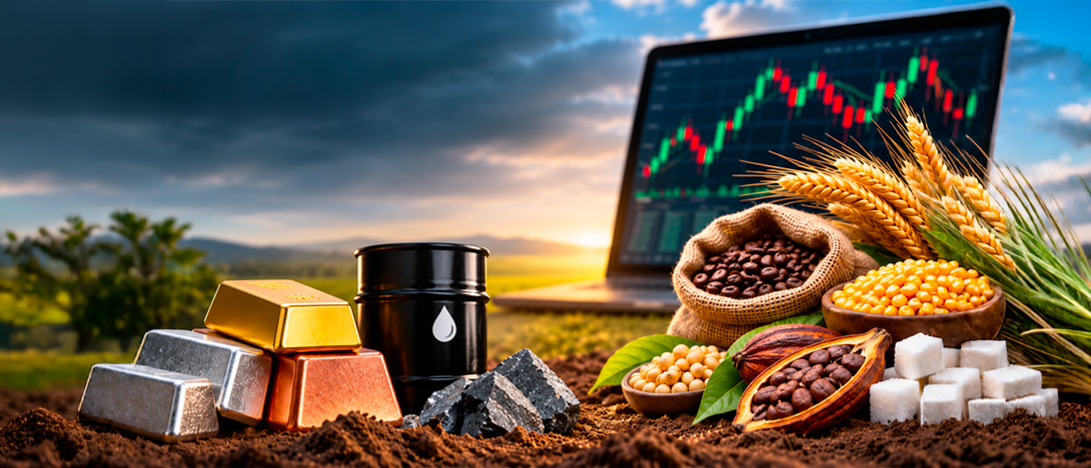
The split between soft commodities and hard commodities comes down to origin: one group is grown, the other is extracted. Soft commodities like coffee, sugar, wheat, and cotton come from farming and agricultural cycles, while hard commodities like crude oil, gold, and natural gas come from mining or extraction. Understanding soft vs hard commodities matters because the two categories behave differently in supply, storage, and how prices react to outside events.
This guide covers what separates soft and hard commodities, how each group gets traded, what drives price movement in both, and the risks worth weighing before taking a position in either.
What Are Commodities?
Commodities are raw materials or primary agricultural products traded in physical markets or through financial instruments, from crude oil and metals to coffee and wheat.
They fall into two broad categories: hard commodities, which come from the earth, and soft commodities, which come from farming, and that distinction shapes nearly everything else about how each behaves.
What Are Hard Commodities?
Hard commodities are natural resources extracted from the earth through mining, drilling, or similar processes.
Examples of Hard Commodities
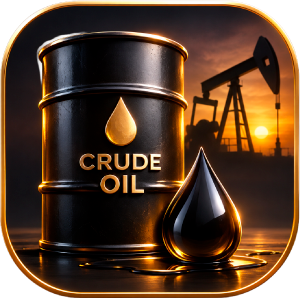 Crude oil |
Global demand, OPEC+ supply decisions, refining capacity |
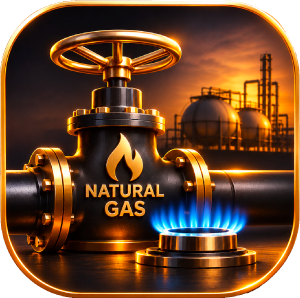 Natural gas |
Seasonal heating and cooling demand, pipeline and storage capacity |
 Gold |
Safe-haven demand, central bank reserves, real interest rates |
 Silver |
Industrial demand from electronics and solar, alongside investment demand |
 Copper |
Construction and manufacturing activity, often read as an economic bellwether |
What Are Soft Commodities?
Soft commodities are agricultural products grown through farming, tied to planting and harvest cycles rather than extraction.
Examples of Soft Commodities
Soft vs Hard Commodities: What Are the Key Differences?
Origin is the starting point, but it carries through into supply behavior, storage, and how each category reacts to the world around it.
| Factors | Hard Commodities | Soft Commodities |
|---|---|---|
| Origin and production | Extracted or mined from the earth | Grown or farmed through agricultural cycles |
| Common examples | Crude oil, gold, copper | Coffee, wheat, cotton |
| Supply and demand drivers | Industrial demand, energy consumption, mining output | Crop yields, consumption patterns, harvest results |
| Weather and seasonal sensitivity | Low, extraction is largely weather-independent in the short term | High, weather directly shapes each season’s crop yield |
| Storage and transportation | Generally stable to store, longer shelf life | Often perishable or quality-degrading, higher storage and spoilage costs |
| Price volatility | Driven by macro cycles, industrial demand, and geopolitics | Driven by weather and harvest outcomes, can spike sharply around a single season |
| Typical market uses | Energy, manufacturing, reserves and jewelry | Food, beverages, textiles |
What Factors Affect Soft and Hard Commodity Prices?
Although the influences on soft vs hard commodities differ, some factors affect both. Some such factors include:
Examples of Soft Commodities
How Are Soft and Hard Commodities Traded?
Commodities can change hands in physical markets or be traded through financial instruments that track price without any physical delivery.
| Market Types | What It Means | Typically Used By |
|---|---|---|
| Spot markets | Buying or selling at the current price for near-immediate delivery or settlement | Producers and buyers who need the physical commodity |
| Futures and options | Standardized contracts to exchange a commodity at a set price on a future date | Producers and institutions hedging exposure, traders speculating on price |
| CFDs | Instruments that track a commodity’s price without ownership or delivery, allowing long or short positions | Retail traders accessing price movement directly |
Soft Commodities vs Hard Commodities: Practical Examples
How Drought Can Affect Coffee and Sugar Prices
Event: A drought in Brazil—the leading producer of both coffee and sugar.
Effect: A smaller harvest against unchanged demand, which has historically pushed both prices higher until the next season’s crop offers some relief.
How Supply Disruptions Can Affect Crude Oil and Gold
Event: A disruption to production or transport in a major oil-producing region.
Effect: Tighter crude supply pushes oil prices higher. In contrast, gold often moves in the opposite direction entirely, rising on the same geopolitical uncertainty even though nothing about gold’s own supply has changed.
What Are the Risks of Trading Soft and Hard Commodities?
A single surprise—a harvest report, a production outage—can move prices sharply with little warning, in either category. A few specific triggers account for most of this risk:
Leverage and Margin Risks in Commodity CFDs
Trading commodities through leveraged CFDs amplifies both gains and losses relative to the capital put up. A sharp move against a leveraged position can trigger a margin call considerably faster than the same move would affect an unleveraged one.
How to Choose Between Soft and Hard Commodities
The choice comes down to market knowledge, risk tolerance, trading objectives, and which set of signals (weather reports or industrial data) actually fits how someone wants to follow a market.
Understanding Agricultural Market Trends
Following soft commodities closely means tracking planting and harvest cycles, weather forecasts for key growing regions, and periodic crop reports that shape expectations ahead of each season.
Analyzing Energy and Metals Markets
Industrial demand data, energy supply reports, and broader growth indicators matter most here, rather than a seasonal weather forecast.
Matching Commodity Exposure With Trading Goals
A short-term trade built around a single weather event behaves very differently from a longer-term position built around an industrial demand trend, so your holding period and risk tolerance should match whichever category you choose.
Elevate your trading experience with
Century Trader App
Elevate your trading experience with
Century Trader App

Conclusion
Soft commodities are grown, hard commodities are extracted, and that distinction drives most practical differences between them, from weather sensitivity to storage costs to how prices tend to move. Both can be accessed through spot markets, futures and options, or CFDs, with CFDs offering the most direct route to price exposure without the logistics of handling anything physical.
Trading either category through our platforms, including Century Trader and MT5, gives access to live pricing and execution across a range of commodity CFDs and keeps that access available on the move.

Frequently Asked Questions
Q1: What Is the Difference Between Soft and Hard Commodities?
A: Soft commodities are agricultural products grown through farming, such as coffee and wheat, while hard commodities are natural resources extracted through mining or drilling, such as gold and crude oil.
Q2: Is Gold a Hard Commodity?
A: Yes. Gold is mined from the earth rather than grown or farmed, which places it firmly in the hard commodity category.
Q3: Are Soft Commodities More Volatile Than Hard Commodities?
A: Both can be volatile, just for different reasons. Soft commodities tend to see sharp, concentrated moves around a single harvest or weather event, while hard commodities move more on macroeconomic cycles and geopolitical events.
Q4: Can You Trade Soft and Hard Commodities Through CFDs?
A: Yes. You can trade both categories through CFDs, which track the underlying price without requiring ownership or physical delivery.
لا تقدم شركة سنشري للإستشارات والتحليل المالي ش.ذ.م.م (الشركة) محتوى هذه المدونة، بما في ذلك أي أبحاث أو تحليلات أو آراء أو توقعات أو أي معلومات أخرى (يُشار إليها مجتمعةً باسم "المعلومات")، إلا لأغراض التسويق والتثقيف وإتاحة المعلومات العامة. ولا يُفسَّر ذلك على أنه نصيحة استثمارية أو توصية أو دعوة لشراء أو بيع أي أدوات مالية.
كما يجوز نشر هذه المعلومات عبر قنوات مختلفة، بما في ذلك موقع الشركة الإلكتروني، ومنصات الغير، والنشرات الإخبارية، والمواد التسويقية، ورسائل البريد الإلكتروني، ووسائل التواصل الاجتماعي، وتطبيقات المراسلة، والندوات الإلكترونية، وغيرها من وسائل التواصل. وبينما تسعى الشركة لضمان دقة المحتوى، فإنها لا تضمن اكتماله أو موثوقيته أو تحديثه في الوقت المناسب. وعليه، فأي قرارات تُتخذ بناءً على هذه المعلومات تكون على مسؤوليتك الشخصية. ولا تتحمل الشركة أي مسؤولية عن أي خسارة أو ضرر ناتج عن استخدامها.
ينطوي تداول المنتجات المالية على مخاطر كبيرة، بما لا يتناسب مع جميع المستثمرين. فيُرجى التأكد من وعيك التام بالمخاطر، وطلب الاستشارة المهنية المتخصصة إذا لزم الأمر.
يُرجى الاطلاع على بيان كشف المخاطر الشامل المتوفر على موقعنا الإلكتروني.




تنظمها هيئة الأوراق المالية والسلع
سنشري للاستشارات المالي ش.ذ.م.م


تصل إلينا:
-
دبي
الطابق رقم 6, مبنى رقم 4, ساحة إعمار دبي
وسط مدينة دبي، ص.ب: 65777،
دبي، الإمارات العربية المتحدة -
Abu Dhabi
27th Floor, Office 2701,
Shining Towers, Abu Dhabi, UAE -
Sharjah
29th Floor, Office 2905,
The Business Tower, Sharjah, UAE - +971 (4) 356 2800
- info@century.ae

Century Financial is the presenting sponsor of

ينطوي التداول في المنتجات المالية على مخاطر كبيرة. فالاعتماد على المشتقات المالية المتاحة للتداول خارح البورصة، مثل عقود الفروقات وتداول العملات الأجنبية (الفوركس) الفوري، قد يتسبب في خسائر تتجاوز قيمة الإيداعات الأولية، مما يجعلها غير ملائمة لجميع المستثمرين. فهذه الأدوات المالية المعقدة لا تمنح ملكية مباشرة للأصول الأساسية. لذا، ينبغي للمستثمرين الاحتراز عند تحديد أهدافهم الاستثمارية ومراعاة مستوى المخاطرة المتوقَع، واللجوء إلى الاستشارة المهنية المتخصصة عند الضرورة.
سنشري للإستشارات والتحليل المالي ش.ذ.م.م (الشركة)، شركة مرخّصة ومنظمة من هيئة الأوراق المالية والسلع في دولة الإمارات العربية المتحدة، بموجب الترخيص رقم (20200000028) و(301044) لتولي أعمال الوساطة في الأسواق الدولية، وتداول المشتقات المالية والعملات المتاحة للتداول خارج البورصة في سوق التداول الفوري، بالإضافة إلى تقديم الخدمات الاستشارية والترويجية. تأسست الشركة بموجب قوانين دولة الإمارات العربية المتحدة، وهي مسجلة لدى دائرة التنمية الاقتصادية بدبي (رقم: 768189)، حيث يقع مكتبها المسجّل في 601، الطابق السادس، المبنى رقم 4، ميدان إعمار، وسط مدينة دبي، دولة الإمارات العربية المتحدة، ص.ب. 65777.
لا يُعرَض محتوى هذا الموقع الإلكتروني إلا لأغراض تعريفية تثقيفية بحتة، فلا يمثل عرضًا ولا توصيةً ولا دعوةً لشراء أو بيع أي أوراق مالية أو منتجات مالية.
لا تنوي الشركة استخدام أو توزيع منتجاتها وخدماتها في أي ولاية قضائية حيث يُشكِّل هذا الاستخدام أو التوزيع انتهاكًا للقوانين المحلية أو اللوائح التنظيمية.
