 Loading ...

Monday, December 29, 2025
Understanding Margin and Leverage in CFD Trading
تم إعداد هذا المنشور من قبل سنشري للاستشارات

Two concepts every trader in the world of CFD trading (Contracts for Difference) needs to understand are leverage and margin. These ideas are the cornerstone of current economic and forex trading, giving traders greater market exposure while investing only a small portion of the total trade value. However, while leverage can amplify potential profits, it can also magnify losses, making knowledge and risk management essential.
CFD traders can maximize their capital, trade with confidence in erratic markets, and make better decisions by understanding how margin and leverage operate.
What is Leverage in CFD Trading?
Leverage is one of the most potent tools in CFD trading (Contracts for Difference). Traders can open positions larger than their account balance would usually permit, helping them maximize returns from small price movements.
In simple terms, leverage lets you control a larger trade size using a smaller amount of capital—known as the margin. Traders can amplify both their profits and losses, making leverage a double-edged sword that requires careful risk management.
For example, if you’re trading with a leverage of 1:20, you can control a $20,000 position by depositing just $1,000. This magnifies your market exposure and amplifies your potential gains and losses.
Leverage is widely used in forex, indices, commodities, and equity CFDs, offering flexibility and access to multiple global markets through platforms such as Century Trader and MT5.
How Leverage Works in CFDs
The level of exposure when trading on leverage depends on your margin. “Margin requirement” is the part of your capital used to take the leveraged position. Depending on the leverage ratio, the exposure is magnified, making leverage a key advantage in CFD and forex trading.
CFD traders can control larger positions and earn higher returns from even minor price movements through leverage. However, it’s important to remember both the benefits and drawbacks of leverage trading.
Key Components of a Stop-Limit Order
A stop-limit order has multiple elements that determine when and how the trade executes. Each component allows you to control risk, manage execution, and align your trades with your strategy.
Example of Leveraged Forex Trading
Let’s say you want to trade the EUR/USD currency pair, and your broker offers 1:30 leverage.
Trade size: $30,000
Required margin: $1,000
In this case, you’re controlling a $30,000 position by investing only $1,000 of your own capital.
Your profit increases to $300, or a 30% return on your margin, if EUR/USD moves 1% in your favor. You will lose $300 if the same strategy backfires, though. Leverage increases both gains and losses in this way.
Leverage is an effective tool for optimizing opportunities, as the example demonstrates, but in order to prevent significant losses, it necessitates discipline, market knowledge, and effective risk management.
Professional traders often use stop-loss orders, limit orders, and a clear leverage strategy to balance potential rewards with manageable risks.
Benefits of Leverage Trading
Here are some of the main benefits of trading with leverage in today’s dynamic economic trading environment:

Capital Efficiency
With a smaller deposit, leverage enables you to manage larger market positions. Leverage allows the better use of trading capital while keeping funds available for other opportunities.

Diversification Opportunities
With leverage, traders can spread their investments across multiple markets and asset classes, such as currencies, shares, indices, andcommodities . This diversification helps reduce overall portfolio risk while allowing simultaneous participation in different market trends.
Increased Market Exposure
With freed-up capital, you can diversify your portfolio, but leverage increases your short-term position's exposure. This means you can profit from both rising and falling markets, adding flexibility to your trading strategy.

Stop Price (Trigger Point)
The activation level. When the market price reaches or crosses this point, your order becomes live. Without this, the order remains inactive.

Limit Price (Execution Threshold)
The worst acceptable price for your trade. For buyers, it’s the maximum you are willing to pay; for sellers, the minimum you are willing to accept.

Order Duration / Validity
Day Order is valid only for the current trading session.
Good-Till-Cancelled (GTC) orders remain active until executed or manually canceled.
Buy vs. Sell Stop-Limit Orders
Buy Stop-Limit Orders

This order is placed above the current market price, anticipating that momentum will push prices higher. The limit ensures you don’t overpay.
Sell Stop-Limit Orders

When selling, limits are placed below the current market price, often used to lock in profits or limit losses if prices fall. The limit ensures you don’t sell below your set threshold.
Execution Mechanics
The stop-limit order becomes a limit order when it gets triggered. The advantage here is that the order will only execute at the limit price or better. If no matching orders are available, the order may remain unfilled or be partially filled.
Key Benefits of Stop-Limit Orders
Stop-limit orders provide traders with a strategic balance between control and automation. Unlike market orders, which execute immediately, stop-limit orders allow you to set precise conditions for entry or exit. This makes them particularly useful for active traders, long-term investors, and anyone who wants to manage risk without being glued to the screen.
Major Advantages
The benefits of stop-limit orders go beyond just executing trades at desired prices. They combine price precision, risk management, and convenience, making them a versatile tool for both conservative and aggressive traders. By understanding these advantages, you can design more effective trading strategies, reduce emotional decision-making, and take control of execution in volatile or illiquid markets.

Price Control
You avoid your order being fulfilled at a price worse than you find acceptable. This ensures that your trades only execute within your comfort zone, making stop-limit orders ideal for disciplined trading strategies.

Risk Management
By setting predefined triggers, stop-limit orders help protect against sudden or adverse price movements—especially in volatile markets. They can also be used to secure profits before a potential reversal.
Automation & Convenience
Once placed, stop-limit orders don’t require constant monitoring. The system automatically triggers the order when conditions are met, allowing traders to focus on other opportunities or step away from the screen.
.png)
Strategic Flexibility
Stop-limit orders can be applied in both bullish and bearish scenarios—whether you’re looking to enter a breakout trade, lock in profits, or cap downside risk.

Psychological Discipline
They help reduce emotional trading decisions. Since the prices are predefined, you’re less likely to panic-sell or overpay in fast-moving markets.

Flexibility
Useful across different instruments, shares, commodities, indices, CFDs, etc., and on platforms like MT5 and Century Trader .
Drawbacks & Risks of Stop-Limit Orders
While stop-limit orders provide control, they also carry some risks. Traders should understand these drawbacks before relying on them, as poorly placed stop-limit orders can lead to missed opportunities or unprotected positions.
Common Risks
Stop-limit orders are not foolproof. While they offer price control and strategic flexibility, they introduce risks that can impact both execution and overall trade performance. Understanding the following risks can help prevent unexpected losses and improve overall trade planning.

Non-Execution Risk
If the limit price is not met after the stop is triggered, the order will not execute. This can leave you exposed to larger-than-expected losses or prevent you from entering a trade you anticipated.
Price Gaps in Volatile Markets
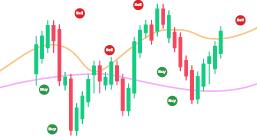
In fast-moving or illiquid markets, the price can “gap” over both the stop and limit levels without triggering your order. This is common after major news events, earnings releases, or market openings.
Complexity of Setup
Both the stop and limit prices must be carefully selected. Setting them too close may cause premature triggering, while setting them too far may make execution unlikely.
Partial Fills
Even if the order is triggered and matches the limit price, you may only receive a partial fill. This often occurs in low-liquidity instruments or when the order size is large compared to the available market depth.

False Sense of Security
Some traders assume stop-limit orders guarantee protection. However, unlike stop-loss market orders, they do not guarantee execution. This misunderstanding can create unnecessary risk if not managed carefully.
How Stop-Limit Orders Compare With Similar Order Types
| Order Type | Trigger Condition | Execution Price Assurance | Risk of Non-Execution |
|---|---|---|---|
| Market Order | Immediately at the current market price | It executes, but the price may be unfavourable | Very low for execution; price risk is high |
| Limit Order | Only executes at your limit price (or better) at any time | Price assured, if filled | May never fill if the market doesn’t reach the limit price |
| Stop-Loss (straight stop/market) | Triggered when the price hits the stop and becomes a market order | No price guarantee—fills at the next available market price | Executes, but possibly at a worse price |
| Stop-Limit | Triggered at the stop price and becomes a limit order | Assured price ceiling/floor, but only if the limit is met | Risk of no fill or partial fill if the market skips your limit |
Practical Examples of Stop-Limit Orders
Stop-limit orders can be easier to understand when applied to real-world trading scenarios, so here are some:
Example 1: Sell Stop-Limit (Protecting a Long Position)
Current Price: Stock A is trading at $100.
Purchase Price: $80
Your Strategy: You want to protect your gains in case the price starts falling sharply.
Order Setup:
- Stop Price: $90 (the trigger level).
- Limit Price: $88 (the lowest you’re willing to sell).
Outcome
- If the stock price falls to $90, the stop triggers a sell limit order.
- Your shares will only be sold if buyers are willing to pay $88 or above
- Risk: If the price drops too quickly (e.g., from $92 to $85), your order may not execute, resulting in larger losses.
Example 2: Buy Stop-Limit (Entering a Breakout)
Current Price: Stock B is trading at $50.
Your Strategy: You believe the stock will rally strongly if it breaks above resistance at $60.
Order Setup:
- Stop Price: $60 (activation level once the breakout happens).
- Limit Price: $62 (maximum price you’re willing to pay).
Outcome
- If the stock rises to $60, the stop triggers a buy limit order.
- Your shares will only be purchased if the price is $62 or lower.
- Benefit: You catch the breakout without chasing the price too high.
- Risk: If the stock jumps directly from $59 to $65, your order may not fill.
Best Practices When Using Stop-Limit Orders
To maximize the effectiveness of stop-limit orders, traders should carefully strike a balance between precision and practicality.
Key Guidelines for Traders
The proper application of stop limit orders enhances price reliability, minimizes risk, and supports disciplined trading. Here are the main best practices to follow:
Analyze Volatility
The more volatile an instrument, the greater the chance of rapid price swings. In such cases, you may need a wider margin between your stop and limit prices to reduce the risk of your order being skipped.
Monitor Liquidity
Stop limit orders are most effective in liquid markets, where there’s a higher likelihood of matching with counterparties. In thinly traded instruments, prices may “jump” past your levels, leaving your order unfulfilled.
Use a Realistic Buffer
Setting the limit price too close to the stop price increases the risk of non-execution. Allowing a small buffer ensures your order has a higher probability of filling while still respecting your price boundaries.
Select Proper Order Duration
Decide between Day orders and Good-Till-Cancelled orders depending on your estimate of market movements.
Always Have a Backup Plan
Remember that stop-limit orders do not guarantee execution. If your priority is a guaranteed exit rather than price control, a stop-loss market order might be the safer alternative.
Combine with Technical Analysis
Placing stop and limit levels near support, resistance, or trendlines aligns with market behavior and also improves your chances of execution.
Conclusion
Every successful trader knows that winning isn’t just about timing the market. It’s about managing risk smartly. Stop-limit orders let you do exactly that, protecting profits while seizing opportunities.
Stop-limit orders are potent tools for traders who need precise control over entries and exits. They combine the advantages of stop orders (triggering at certain price levels) with limit orders (ensuring a price threshold), enabling better risk management. However, they come with the trade-off of possible non-execution or partial execution, especially in volatile or illiquid markets.
FAQs
Q1. What is the difference between a stop-limit order and a stop-loss order?
A: A stop-loss becomes a market order once the stop price is hit (so execution is certain, but the price may differ). A stop limit order, once triggered, is a limit order, so the price is controlled, but execution is not guaranteed.
Q2: Can a stop-limit order fail to execute?
A: Yes. If, after triggering the stop price, there are no market orders at or better than the limit price, the order will remain unfilled, fully or partially.
Q3: When is a stop-limit order preferable to a market order?
A: When you want price protection and are willing to accept the risk of non-execution, it is instrumental in volatile instruments or when avoiding considerable slippage or gaps.
Q4. Are stop-limit orders available outside regular trading hours?
A: It depends on the trading platform and market rules. Many platforms restrict triggering/execution to regular session hours. Outside those times, there is a risk of a price surge when the market reopens. Always check platform terms.
Q5. How should I set stop and limit prices—what margin or buffer is ideal?
A: This depends on volatility, spread, and instrument. A common approach is to place a limit away from the stop (for example, stop at 2% adverse move and limit another 1-2%) to allow for trade execution. Use historical price movements and recent behavior for guidance.
Related Reads
لا تقدم شركة سنشري للإستشارات والتحليل المالي ش.ذ.م.م (الشركة) محتوى هذه المدونة، بما في ذلك أي أبحاث أو تحليلات أو آراء أو توقعات أو أي معلومات أخرى (يُشار إليها مجتمعةً باسم "المعلومات")، إلا لأغراض التسويق والتثقيف وإتاحة المعلومات العامة. ولا يُفسَّر ذلك على أنه نصيحة استثمارية أو توصية أو دعوة لشراء أو بيع أي أدوات مالية.
كما يجوز نشر هذه المعلومات عبر قنوات مختلفة، بما في ذلك موقع الشركة الإلكتروني، ومنصات الغير، والنشرات الإخبارية، والمواد التسويقية، ورسائل البريد الإلكتروني، ووسائل التواصل الاجتماعي، وتطبيقات المراسلة، والندوات الإلكترونية، وغيرها من وسائل التواصل. وبينما تسعى الشركة لضمان دقة المحتوى، فإنها لا تضمن اكتماله أو موثوقيته أو تحديثه في الوقت المناسب. وعليه، فأي قرارات تُتخذ بناءً على هذه المعلومات تكون على مسؤوليتك الشخصية. ولا تتحمل الشركة أي مسؤولية عن أي خسارة أو ضرر ناتج عن استخدامها.
ينطوي تداول المنتجات المالية على مخاطر كبيرة، بما لا يتناسب مع جميع المستثمرين. فيُرجى التأكد من وعيك التام بالمخاطر، وطلب الاستشارة المهنية المتخصصة إذا لزم الأمر.
يُرجى الاطلاع على بيان كشف المخاطر الشامل المتوفر على موقعنا الإلكتروني.

تنظمها هيئة الأوراق المالية والسلع
سنشري للاستشارات المالي ش.ذ.م.م


تصل إلينا:
-
دبي
الطابق رقم 6, مبنى رقم 4, ساحة إعمار دبي
وسط مدينة دبي، ص.ب: 65777،
دبي، الإمارات العربية المتحدة -
Abu Dhabi
27th Floor, Office 2701,
Shining Towers, Abu Dhabi, UAE -
Sharjah
29th Floor, Office 2905,
The Business Tower, Sharjah, UAE - +971 (4) 356 2800
- info@century.ae

Century Financial is the presenting sponsor of

ينطوي التداول في المنتجات المالية على مخاطر كبيرة. فالاعتماد على المشتقات المالية المتاحة للتداول خارح البورصة، مثل عقود الفروقات وتداول العملات الأجنبية (الفوركس) الفوري، قد يتسبب في خسائر تتجاوز قيمة الإيداعات الأولية، مما يجعلها غير ملائمة لجميع المستثمرين. فهذه الأدوات المالية المعقدة لا تمنح ملكية مباشرة للأصول الأساسية. لذا، ينبغي للمستثمرين الاحتراز عند تحديد أهدافهم الاستثمارية ومراعاة مستوى المخاطرة المتوقَع، واللجوء إلى الاستشارة المهنية المتخصصة عند الضرورة.
سنشري للإستشارات والتحليل المالي ش.ذ.م.م (الشركة)، شركة مرخّصة ومنظمة من هيئة الأوراق المالية والسلع في دولة الإمارات العربية المتحدة، بموجب الترخيص رقم (20200000028) و(301044) لتولي أعمال الوساطة في الأسواق الدولية، وتداول المشتقات المالية والعملات المتاحة للتداول خارج البورصة في سوق التداول الفوري، بالإضافة إلى تقديم الخدمات الاستشارية والترويجية. تأسست الشركة بموجب قوانين دولة الإمارات العربية المتحدة، وهي مسجلة لدى دائرة التنمية الاقتصادية بدبي (رقم: 768189)، حيث يقع مكتبها المسجّل في 601، الطابق السادس، المبنى رقم 4، ميدان إعمار، وسط مدينة دبي، دولة الإمارات العربية المتحدة، ص.ب. 65777.
لا يُعرَض محتوى هذا الموقع الإلكتروني إلا لأغراض تعريفية تثقيفية بحتة، فلا يمثل عرضًا ولا توصيةً ولا دعوةً لشراء أو بيع أي أوراق مالية أو منتجات مالية.
لا تنوي الشركة استخدام أو توزيع منتجاتها وخدماتها في أي ولاية قضائية حيث يُشكِّل هذا الاستخدام أو التوزيع انتهاكًا للقوانين المحلية أو اللوائح التنظيمية.
