 Loading ...

Tuesday, January 06, 2026
What Is a Short Position? Definition, Risks, and Examples
تم إعداد هذا المنشور من قبل سنشري للاستشارات
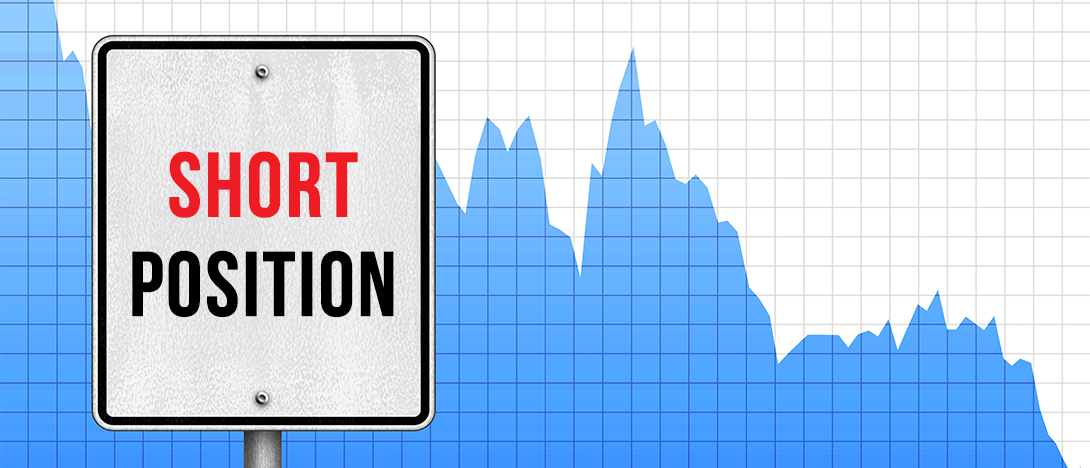
What Is a Short Position?
Every trade has two legs: buying and selling. In almost all transactions, you have to buy first before you can sell. Well, the financial market can challenge this norm. In the financial markets, your gains are not limited to the appreciation of your assets. Nor do you have to wait until a falling market recovers. If the trends signal a downturn, you can sell the asset without having the asset in your possession in something called short trading.
Borrowing a financial instrument like stocks, CFDs, or futures contracts with the intent to buy it back at a lower price is the definition of shorting a stock or other asset.
Short trading allows market participants to capitalize on bearish trends and can be applied to all types of markets, from shares to commodities. Learning about this strategy is not going to be a short ride, so let’s start!
Risks and Mechanics of Short Positions
Risk and reward go hand in hand in financial markets, and it is no different in the case of short selling. It might sound enticing to beat market swings by selling a falling asset, but trends can quickly turn. It is important that you are not caught in the undercurrent and are able to enter and exit with your capital and confidence intact.
When to Take a Short Position
Short positions are the best way forward when market indicators signal a downturn. During bearish trends, the value of an asset falls. If timed and managed with discipline, you can short an asset and later buy it back at a lower price, thereby capitalizing on the market’s downward movement.
Here are some other points you should keep in mind regarding short positions:
Confirm the bearish trend using multiple indicators and channels
Define take-profit and stop-loss to manage risks
Monitor margins to avoid forced liquidation
Risks Associated with Short Positions
Trend reversals pose a massive risk to every position. If the market goes up after you short, you risk losing your capital. Sometimes, these reversals can be sharp and sudden, triggering a short squeeze that traps traders and forces them to exit their trades at a loss.
Some major risks of taking a short position are:
Unlimited potential losses
Margin calls and liquidation
Short squeezes and market manipulation
Managing these risks depends not just on proper analysis but also on sticking to the correct entry, exit, and stop-loss levels.
What Is Blockchain Technology and How Does It Work
Entering a short position is simple, provided you have done your due diligence. This strategy, which can be applied to stocks, currencies, commodities, indices, treasuries, or ETPs, comes with heightened exposure, thanks to leverage. Therefore, you will have to keep margin requirements in mind as well.
The process of setting up a short position will look something like this:
Choose the market depending on news or market sentiments
Analyze the market for bearish signals
Confirm the trends using multiple indicators
Define take profit, and stop limit prices
Choose from instruments like CFDs, F&O, etc.
Calculate the amount of capital required for desired exposure
Place a sell order on the decided asset through a trusted platform
Monitor the market for asset direction and margin requirements
Elevate your trading experience with
Century Trader App
Choose from 40,000+ instruments in 125 markets for your next trade with Century Financial

What Is Blockchain Technology and How Does It Work
Blockchain technology is a framework that enables the distribution of digital information without alteration. It is based on cryptography, decentralization, and consensus to validate transactions.
The following is the process of a blockchain transaction:
A transaction is initiated
The transaction is broadcast to a network of nodes
Nodes verify the transaction using consensus rules
Verified transactions are grouped into a block
The block is added permanently to the blockchain
Once recorded, the transaction cannot be changed or deleted. This is why blockchain is widely regarded as highly secure and reliable for financial markets.
Why Blockchain Technology Matters in Trading Crypto
Crypto trading is based on blockchain technology, which enables the acquisition, sale, and transfer of digital assets without a centralized intermediary. All crypto transactions are recorded on a blockchain network that is accurate, secure, and trusted by market participants.
To traders, blockchain has several benefits, which include:
Quicker settlement than in conventional banking and old financial systems
Reduced transaction costs, particularly for international and cross-border transfers
Increased openness, since all activities can be publicly checked on the blockchain
Lessened counterparty risk through decentralized validation and unchanging records
When trading crypto, blockchain technology verifies ownership and processes transfers in near-real time. This creates more efficient, liquid, and accessible markets, allowing traders to execute strategies with greater confidence and reduced operational friction.
Types of Blockchain Networks
Not all blockchain systems are the same. Different types serve different trading and financial use cases.
Public blockchains like Bitcoin and Ethereum are open to anyone. They are fully decentralized and commonly used for crypto investing and trading.
Private blockchains are controlled by single organizations. Financial institutions and crypto banks often use these to improve internal transaction efficiency.
A group of institutions manages a consortium blockchain. This model is gaining popularity in banking, commodities trading, and significant financial settlements.
Understanding these structures helps traders evaluate which blockchain-backed assets align with their risk and strategy.
Blockchain Transaction Security and Transparency
The high level of transparency and transaction security is one of the most significant strengths of blockchain technology. All blockchain transactions are encrypted, time-stamped, and inseparably linked to the previous one, creating an indelible history that is very hard to revise or tamper with.
The effect of this inbuilt transparency on traders are:
Reduces fraud and unauthorized changes by preventing data tampering
Enables public verification of transactions across the blockchain network
Improves trust in crypto markets through open and traceable records
Enhances compliance and auditability for exchanges, platforms, and regulators
Blockchain and Crypto Investing Opportunities
Crypto investing has evolved far beyond simply buying and holding digital coins. Blockchain technology has opened the door to a wide range of new asset classes and trading opportunities, allowing investors to gain exposure to digital assets in multiple ways.
These opportunities include:
Cryptocurrencies such as Bitcoin and Ethereum, which remain the core assets of the blockchain ecosystem
Blockchain-based ETPs and CFDs, offering flexible exposure to crypto price movements without direct ownership
Tokenized assets and digital commodities, enabling real-world assets to be represented and traded on blockchain networks
Decentralized finance (DeFi) projects, which provide access to lending, staking, liquidity pools, and yield-generating strategies
For investors, blockchain opens access to global markets that operate 24 hours a day without traditional barriers.
How Traders Use Blockchain in Modern Financial Markets
Today, blockchains are used across a wide range of financial markets to improve transparency, settlement speed, and operational efficiency across trading instruments.
Traders can gain exposure to blockchain-linked markets through:
Currencies and forex pairs
Shares of blockchain-focused companies
Commodities traded with blockchain-backed settlements
Indices and ETP CFDs linked to crypto markets
Why Blockchain Knowledge Is Essential for Future Traders
The future of finance is being determined by blockchain technology. The trading environment is being transformed into a more blockchain-based one, as digital currencies are replaced with tokenized securities.
Evolving with this ever-changing market landscape can ensure the longevity of informed market participation. A trader or investor who understands the tech behind blockchain should also keep their eye on the introduction of new asset classes and the regulatory framework. Before long, blockchain literacy will become a core skill for modern traders and investors.
Conclusion
Modern financial markets have evolved with the help of blockchain technology. From crypto investing and digital assets to advanced trading and settlement systems, blockchain offers greater transparency, security, and efficiency than many conventional financial systems.
As a trader and investor, it is important to know blockchain definition and how it can be used in the current market environment that is undergoing changes. With the further rise in the use of blockchain technology in various assets and financial organizations, individuals experiencing the nature of the technology will be at a more advantageous position to realize opportunities, risk management, and orientation to the emerging trends in the market. The trading insights that can be leveraged with the help of blockchain can help make more adequate decisions and trading success in the long term..
Elevate your trading experience with
Century Trader App
Elevate your trading experience with
Century Trader App
FAQs
Q1. What is blockchain technology in simple terms?
A: Blockchain technology is a secure digital ledger that records transactions across a network, making data transparent and difficult to alter.
Q2: Is blockchain only used for crypto?
A: No. Blockchain is also used in banking, supply chains, commodities trading, and financial settlements.
Q3: How does blockchain help crypto trading?
A: Blockchain ensures secure ownership transfer, fast settlement, and transparent transaction records for crypto trading.
Q4. Are blockchain transactions safe?
A: Blockchain transactions are highly secure due to encryption and decentralized verification, though market risks still apply.
Q5. Can beginners invest using blockchain-based markets?
A: Yes. With proper education and risk management, beginners can access blockchain-driven markets through regulated trading platforms.
Related Reads
لا تقدم شركة سنشري للإستشارات والتحليل المالي ش.ذ.م.م (الشركة) محتوى هذه المدونة، بما في ذلك أي أبحاث أو تحليلات أو آراء أو توقعات أو أي معلومات أخرى (يُشار إليها مجتمعةً باسم "المعلومات")، إلا لأغراض التسويق والتثقيف وإتاحة المعلومات العامة. ولا يُفسَّر ذلك على أنه نصيحة استثمارية أو توصية أو دعوة لشراء أو بيع أي أدوات مالية.
كما يجوز نشر هذه المعلومات عبر قنوات مختلفة، بما في ذلك موقع الشركة الإلكتروني، ومنصات الغير، والنشرات الإخبارية، والمواد التسويقية، ورسائل البريد الإلكتروني، ووسائل التواصل الاجتماعي، وتطبيقات المراسلة، والندوات الإلكترونية، وغيرها من وسائل التواصل. وبينما تسعى الشركة لضمان دقة المحتوى، فإنها لا تضمن اكتماله أو موثوقيته أو تحديثه في الوقت المناسب. وعليه، فأي قرارات تُتخذ بناءً على هذه المعلومات تكون على مسؤوليتك الشخصية. ولا تتحمل الشركة أي مسؤولية عن أي خسارة أو ضرر ناتج عن استخدامها.
ينطوي تداول المنتجات المالية على مخاطر كبيرة، بما لا يتناسب مع جميع المستثمرين. فيُرجى التأكد من وعيك التام بالمخاطر، وطلب الاستشارة المهنية المتخصصة إذا لزم الأمر.
يُرجى الاطلاع على بيان كشف المخاطر الشامل المتوفر على موقعنا الإلكتروني.

تنظمها هيئة الأوراق المالية والسلع
سنشري للاستشارات المالي ش.ذ.م.م


تصل إلينا:
-
دبي
الطابق رقم 6, مبنى رقم 4, ساحة إعمار دبي
وسط مدينة دبي، ص.ب: 65777،
دبي، الإمارات العربية المتحدة -
Abu Dhabi
27th Floor, Office 2701,
Shining Towers, Abu Dhabi, UAE -
Sharjah
29th Floor, Office 2905,
The Business Tower, Sharjah, UAE - +971 (4) 356 2800
- info@century.ae

Century Financial is the presenting sponsor of

ينطوي التداول في المنتجات المالية على مخاطر كبيرة. فالاعتماد على المشتقات المالية المتاحة للتداول خارح البورصة، مثل عقود الفروقات وتداول العملات الأجنبية (الفوركس) الفوري، قد يتسبب في خسائر تتجاوز قيمة الإيداعات الأولية، مما يجعلها غير ملائمة لجميع المستثمرين. فهذه الأدوات المالية المعقدة لا تمنح ملكية مباشرة للأصول الأساسية. لذا، ينبغي للمستثمرين الاحتراز عند تحديد أهدافهم الاستثمارية ومراعاة مستوى المخاطرة المتوقَع، واللجوء إلى الاستشارة المهنية المتخصصة عند الضرورة.
سنشري للإستشارات والتحليل المالي ش.ذ.م.م (الشركة)، شركة مرخّصة ومنظمة من هيئة الأوراق المالية والسلع في دولة الإمارات العربية المتحدة، بموجب الترخيص رقم (20200000028) و(301044) لتولي أعمال الوساطة في الأسواق الدولية، وتداول المشتقات المالية والعملات المتاحة للتداول خارج البورصة في سوق التداول الفوري، بالإضافة إلى تقديم الخدمات الاستشارية والترويجية. تأسست الشركة بموجب قوانين دولة الإمارات العربية المتحدة، وهي مسجلة لدى دائرة التنمية الاقتصادية بدبي (رقم: 768189)، حيث يقع مكتبها المسجّل في 601، الطابق السادس، المبنى رقم 4، ميدان إعمار، وسط مدينة دبي، دولة الإمارات العربية المتحدة، ص.ب. 65777.
لا يُعرَض محتوى هذا الموقع الإلكتروني إلا لأغراض تعريفية تثقيفية بحتة، فلا يمثل عرضًا ولا توصيةً ولا دعوةً لشراء أو بيع أي أوراق مالية أو منتجات مالية.
لا تنوي الشركة استخدام أو توزيع منتجاتها وخدماتها في أي ولاية قضائية حيث يُشكِّل هذا الاستخدام أو التوزيع انتهاكًا للقوانين المحلية أو اللوائح التنظيمية.
